Imagine the most expensive recording studio in 1981 being handed over to a group of geniuses who decided to stop making sense. Caramba sounds like a collection of international radio hits from a parallel dimension where language never evolved beyond rhythmic phonemes. The production is shimmering and massive, utilizing the same 'Wall of Sound' techniques that made Swedish pop a global force, but applied to the most ridiculous concepts imaginable.
What makes them truly distinctive is the commitment to the bit. This isn't just 'funny' music; it is a masterclass in phonetic mimicry. They take the cadence of Spanish, Japanese, or African dialects and strip away the meaning, leaving only the musicality of the speech. It is high-concept art disguised as a playground chant, executed with the precision of world-class engineers.
You have to start with the self-titled album 'Caramba'. From the opening 'Hubba Hubba Zoot Zoot', you'll realize you're hearing the exact same drum sounds and vocal stacking found on 'Super Trouper', just repurposed for a song about absolutely nothing. It is the ultimate musical prank that actually sounds good.
Caramba was a Swedish novelty music group. They released one self-titled album in 1981, with the single "Hubba Hubba Zoot Zoot" peaking at number 1 in Sweden. The album is chiefly notable due to the entire album being recorded in nonsense language. The songs are made to sound like certain styles of music by imitating the phonemic structure of languages from the appropriate regions. The album was produced by Michael B. Tretow, who is primarily famous for engineering ABBA's records, and featured vocals by another Polar Music artist, Ted Gärdestad. A number of other noted Swedish musicians and singers were rumoured to have taken part in the Caramba recordings, but Tretow confirmed in an interview in 2015 that he and Gärdestad were the primary artists. Roger Palm, the drummer for ABBA, played drums on "Hubba Hubba Zoot Zoot" and Kalle Sändare, a Swedish comedian known for his prank calls, was involved on the track "Ahllo", according to Tretow. The track "Hubba Hubba Zoot Zoot" has been re-issued as part of Michael B. Tretow's 1999 album Greatest Hits, the Ted Gärdestad four-CD box set Solregn in 2001, and a number of other compilations of 1980s hits and Swedish novelty recordings, and the Caramba album was released on CD in 2011. The specific phrase "Hubba Hubba Zoot" seems to have a precedent going back at least to the mid-1940s, as heard in the 1946 Spike Jones recording "Hawaiian War Chant" at about 1 minutes 45 seconds.


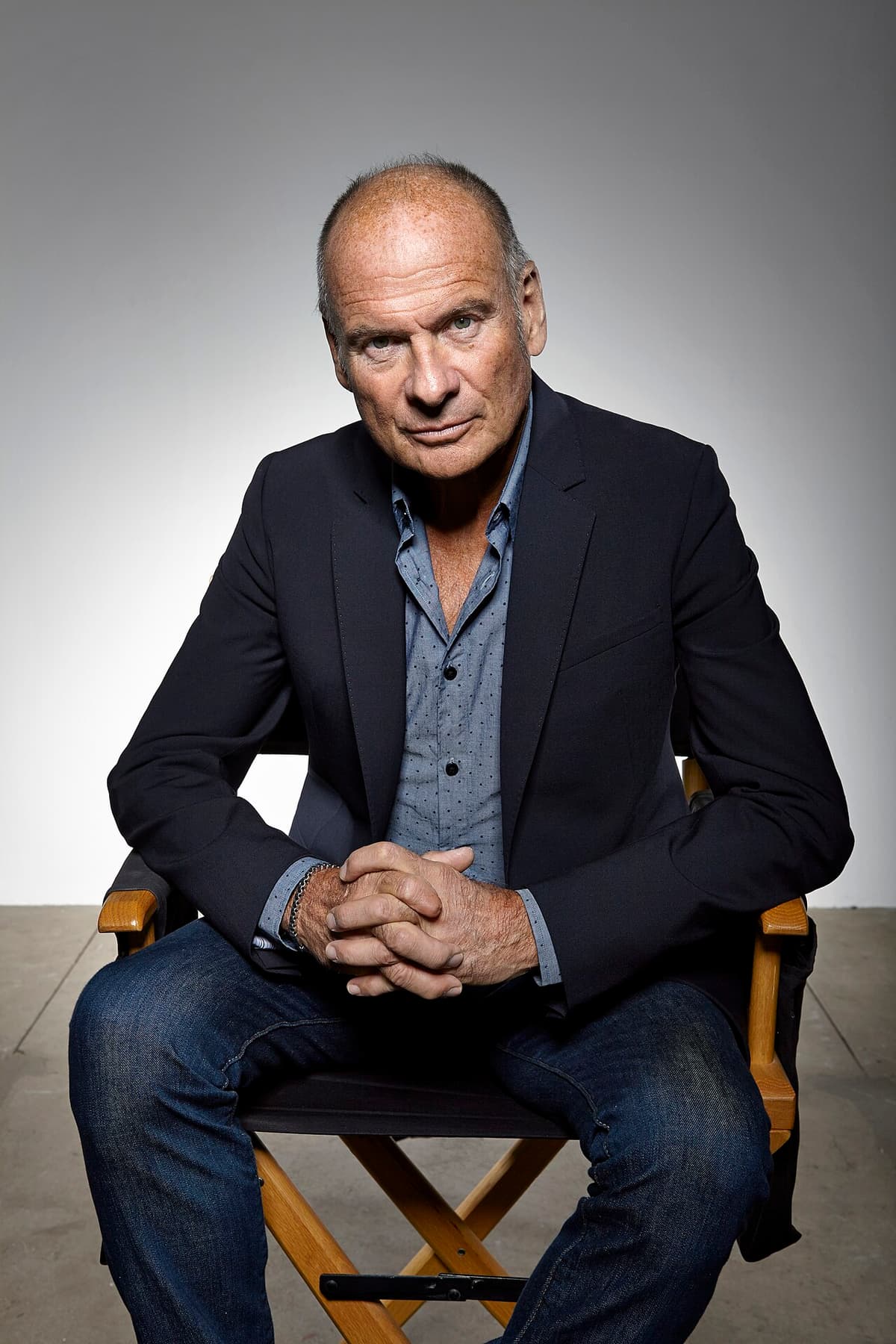
Shares chanting, processed, harmonized (vocal style); playful, joyful, mysterious (moods)
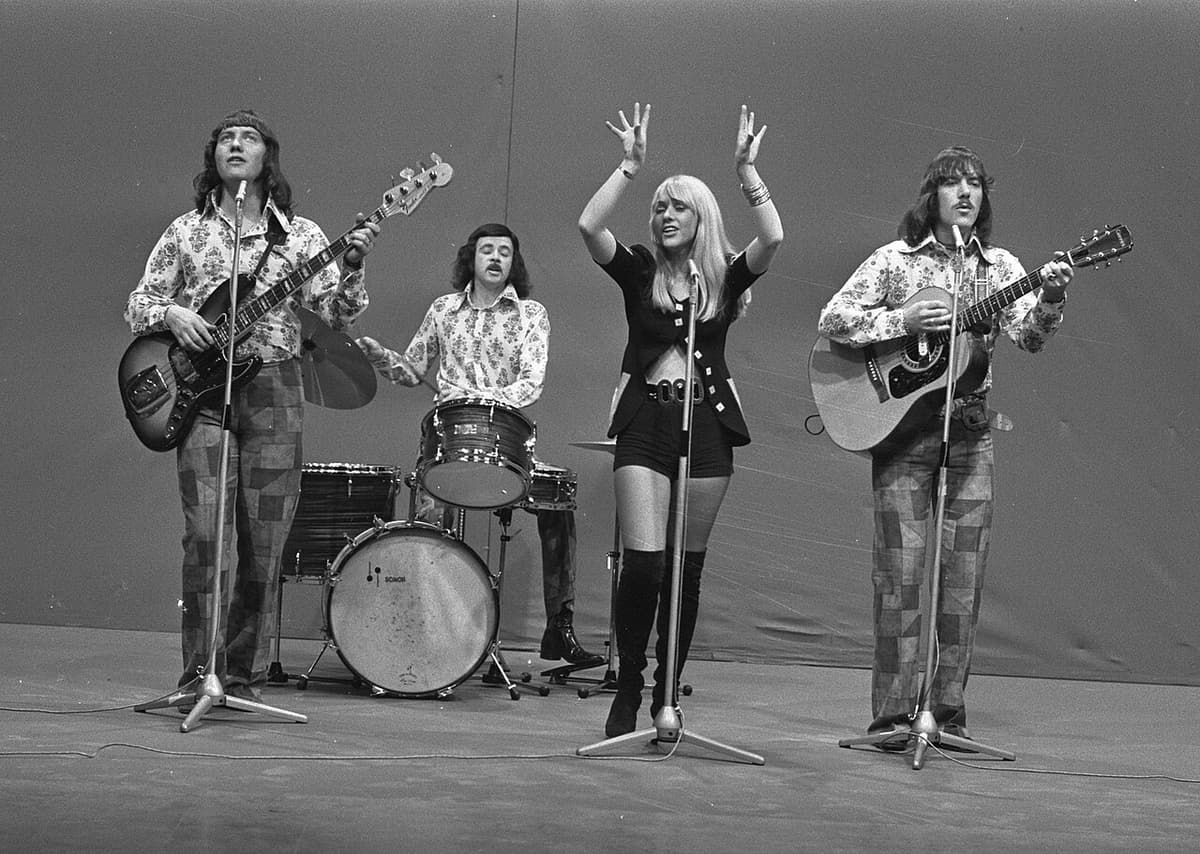
Shares studio polished, analog warmth, layered dense (production style); playful, joyful, energetic (moods)
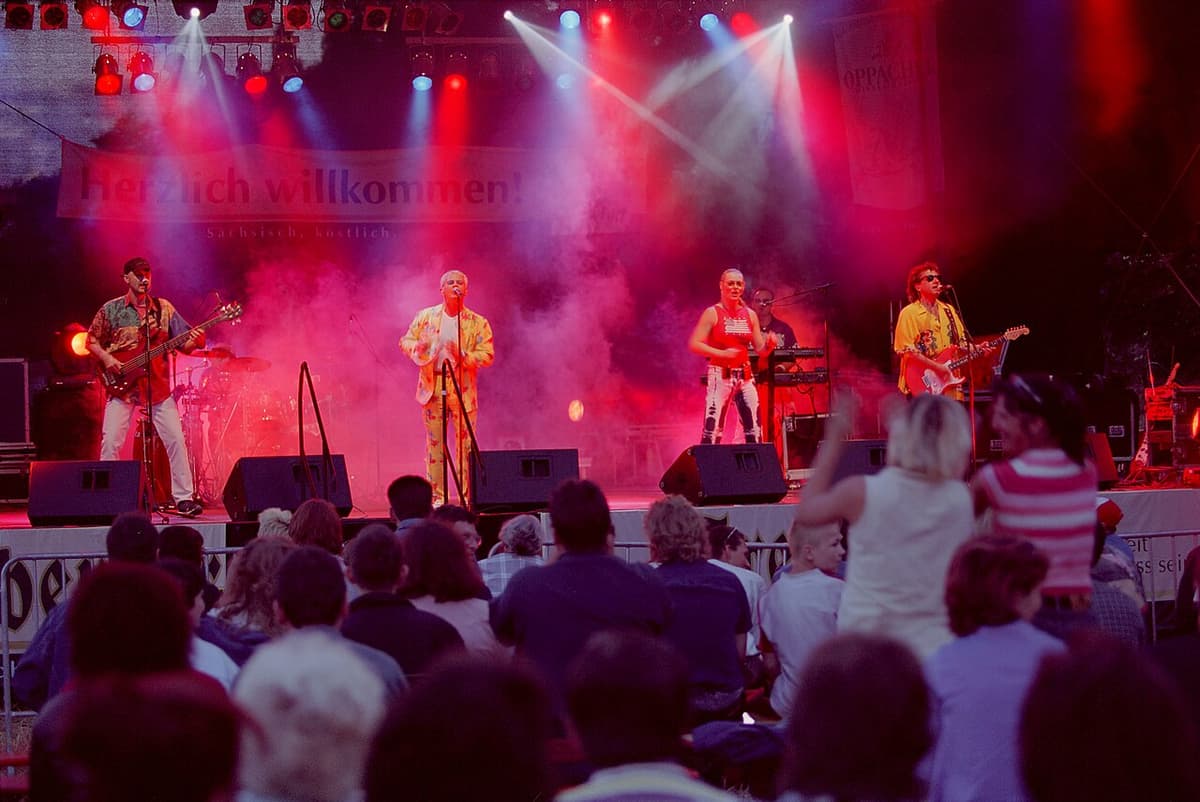
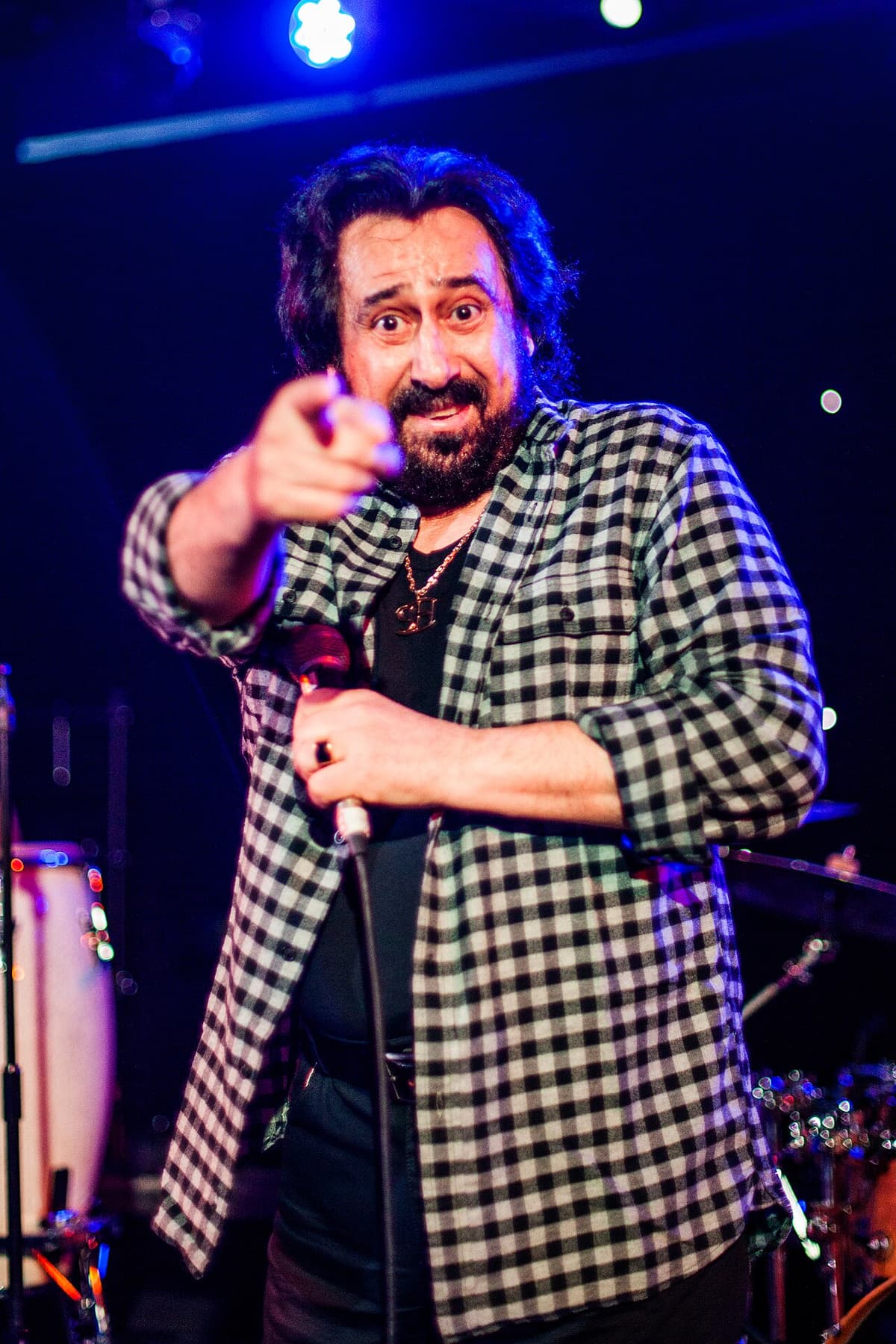
Shares synth-pop, traditional pop (subgenres); playful, joyful, energetic (moods)
Shares disco, traditional pop, synth-pop (subgenres); studio polished, analog warmth (production style)
Shares studio polished, analog warmth, layered dense (production style); playful, joyful, energetic (moods)

Shares traditional pop, synth-pop, art pop (subgenres); studio polished, analog warmth (production style)
Shares traditional pop, synth-pop (subgenres); studio polished, analog warmth (production style)
Cassette uses generative AI to enrich its catalog. How we use AI →