Broken Twin sounds like the physical embodiment of a quiet, grey afternoon in the Northern hemisphere. The music is built on a foundation of skeletal piano chords and acoustic guitar, but it is the space between the notes that carries the most weight. Majke Voss Romme’s voice is a fragile, breathy instrument that seems to hover just inches from the microphone, creating an intimacy that feels almost intrusive. It is music that doesn't just describe loneliness; it inhabits it, turning isolation into something beautiful and resonant.
What makes this project distinctive is the raw, unpolished nature of the recordings. You can hear the physical mechanics of the music: the creak of a piano bench, the slide of fingers on guitar strings, and the subtle, eerie atmospheric touches added by producer Brian Batz. These 'imperfections' ground the ethereal vocals in a tangible, tactile reality. It avoids the polished sheen of contemporary pop-folk in favor of a brittle, dusty texture that feels like finding an old, forgotten photograph in a drawer.
Start with the 'Hold On to Nothing' EP. It is a masterclass in restraint, showcasing how much emotional power can be wrung from the simplest arrangements. It is the perfect entry point for anyone who finds comfort in the melancholic beauty of artists like Grouper or early Cat Power, offering a sonic sanctuary for those who prefer the shadows to the light.

Shares slowcore, chamber folk, cabin in woods, indie folk (subgenre)
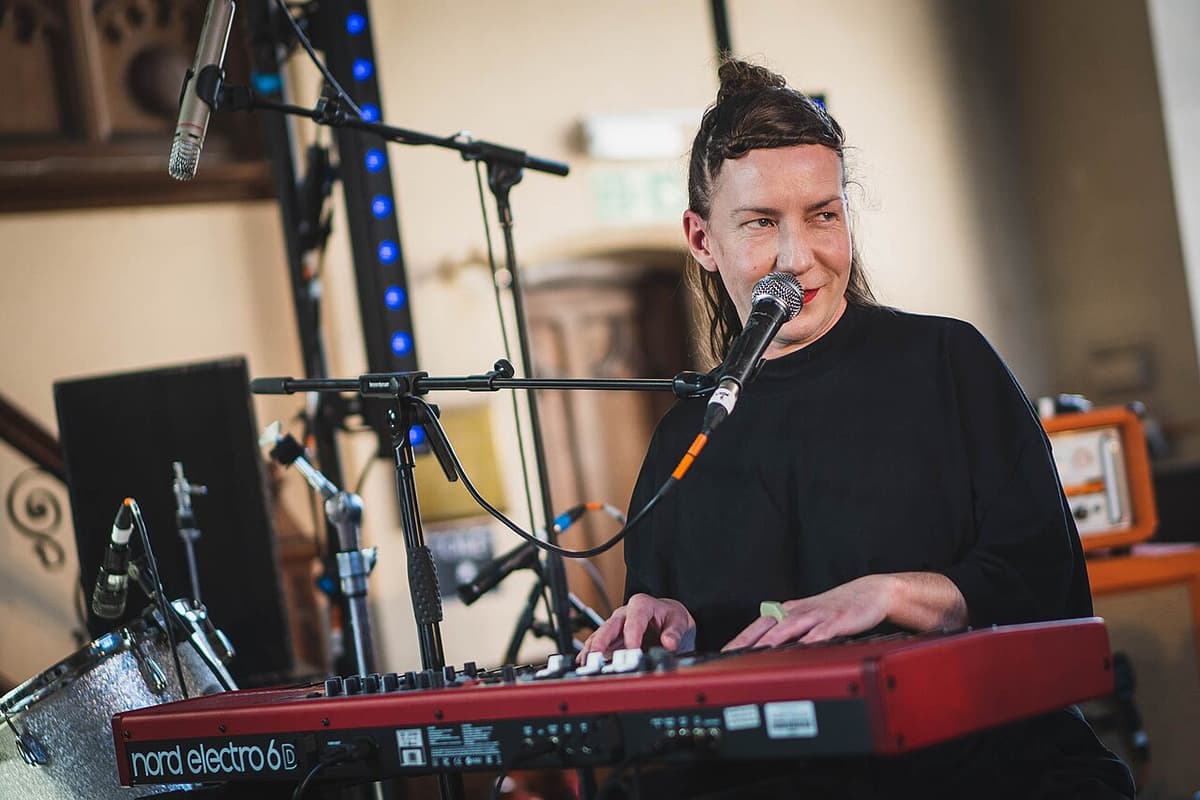
Shares winter, chamber folk, cabin in woods, breathy (signature)
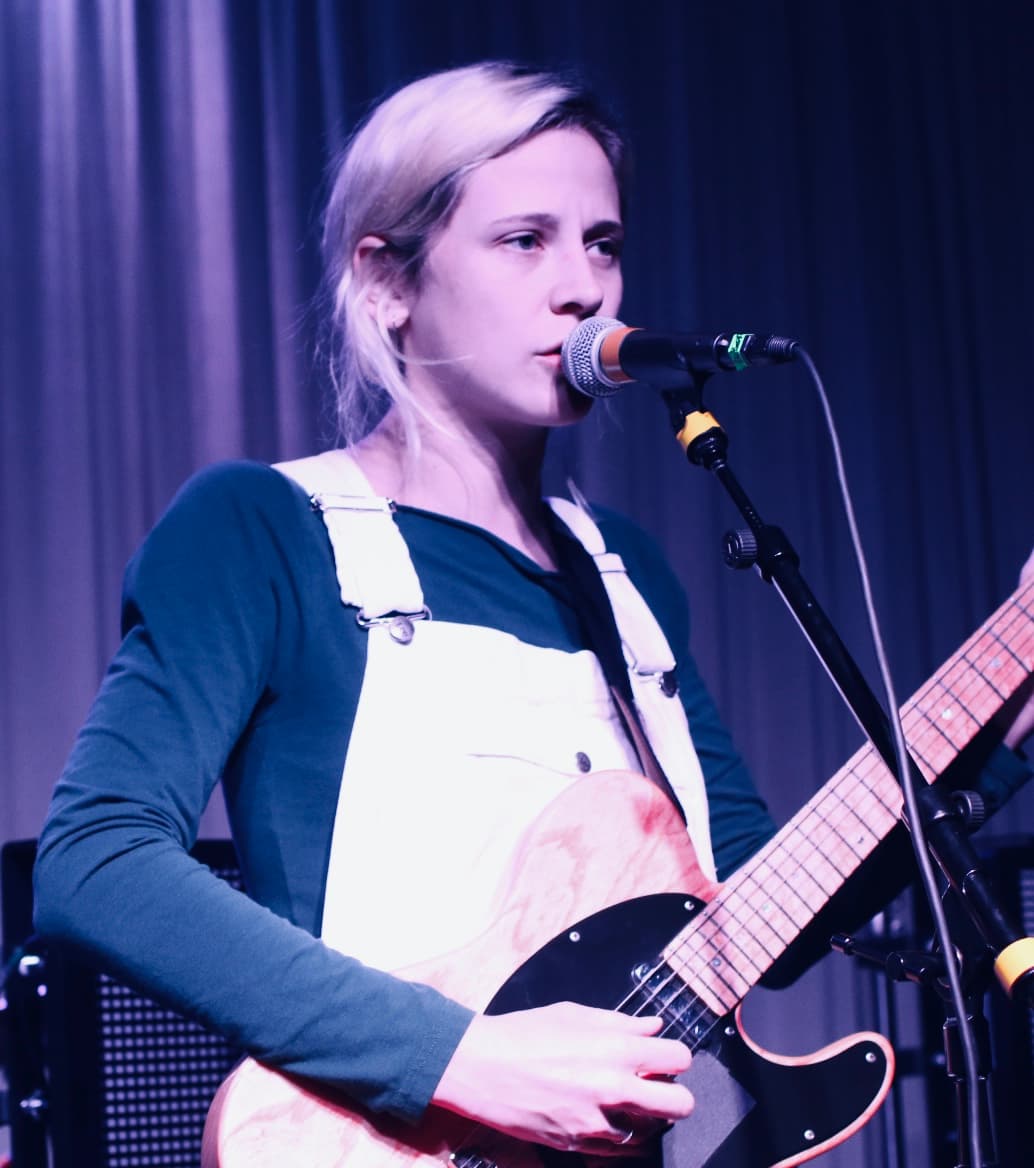
Shares sparse, slowcore, minimalist, indie folk (signature)
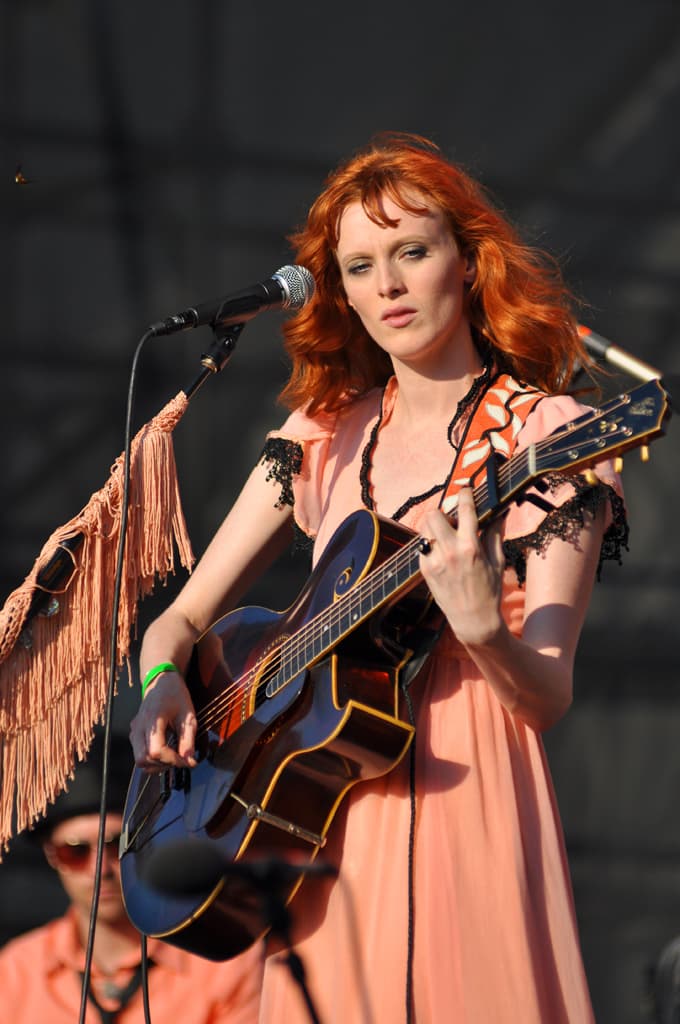
Shares slowcore, chamber folk, cabin in woods, indie folk (subgenre)
Shares lonely, chamber folk, cabin in woods, winter (mood)
Shares slowcore, chamber folk, cabin in woods, indie folk (subgenre)
Shares winter, lonely, slowcore, chamber folk (signature)
Cassette uses generative AI to enrich its catalog. How we use AI →