Borghesia sounds like the intersection of a high-tension political thriller and a sweat-soaked underground club in 1980s Ljubljana. Their music is built on a foundation of rigid, mechanical drum machine patterns and driving synth basslines that feel both disciplined and dangerous. It is the sound of analog hardware pushed to its expressive limits, creating a metallic, slightly claustrophobic atmosphere that never loses its groove.
What sets them apart is their origin in experimental theater, which lends a sense of high-stakes performance and visual storytelling to their tracks. While their peers in the EBM scene often leaned into pure aggression, Borghesia maintained a sophisticated, almost cinematic quality, using samples and vocal snippets to build a world of forbidden imagery and anti-authoritarian tension. Their work feels like a transmission from a specific time and place that still resonates today.
Start with 'Escorts and Models' to hear them at their peak of club-ready industrial power. It captures the perfect balance between their early experimental roots and the polished, driving electronic body music that made them legends of the Play It Again Sam roster. It is essential listening for anyone who wants to understand the darker, more intellectual side of 80s electronic music.
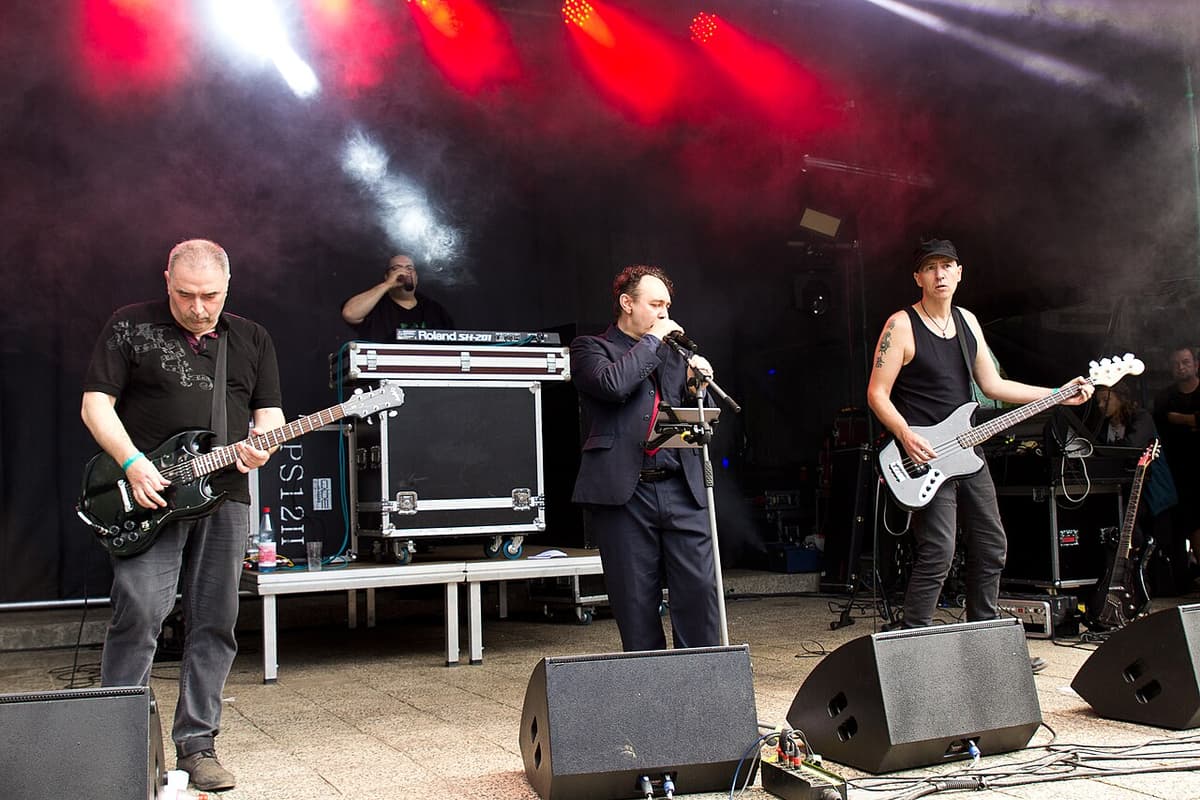
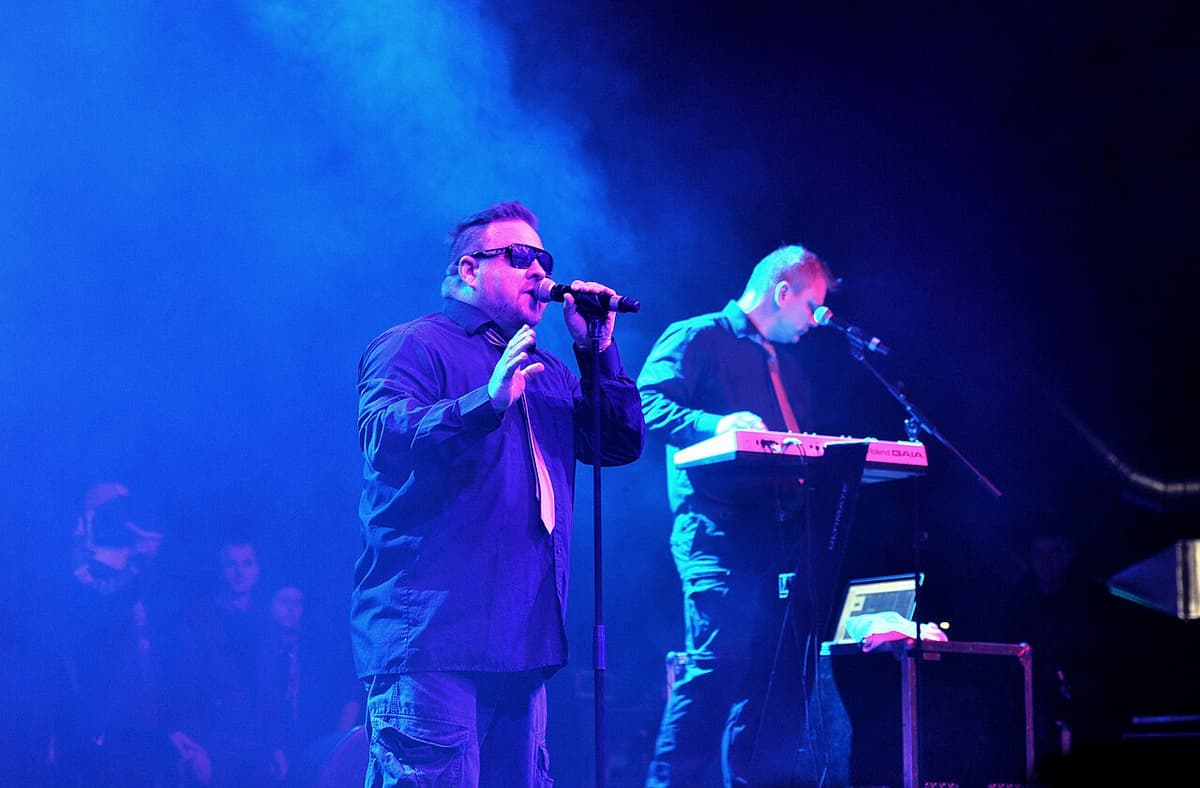
Borghesia (Italian: bourgeoisie) is a Slovenian electronic music/rock music group, created in Ljubljana (at the time in Yugoslavia) in 1982. The band was formed by members of the alternative theatre group Theatre FV-112/15 and Teater Performans. Borghesia created its aesthetics using the imagery of what was prohibited, tabooed, and repressed. Their sound is often compared to that of other groups in the period such as D.A.F., Manufacture, and Front 242, whom many cite as the chief instigators of the Electronic Body Music label used to describe such music. Borghesia went on several Europe-wide concert tours, mainly in 1988–91, which were reviewed in large music magazines in England, Germany, etc., such as NME, Melody Maker, New Life Soundmagazine, and Zillo. They released four albums on Play It Again Sam, one of the more important indie labels, which were also licensed to Wax Trax in the US and Canada. Further interviews and articles can be found in the aforementioned magazines. Aldo Ivancic later formed the band Bast, and is famous in the Slovenian music scene today as a producer. Borghesia together with Laibach were prominent representatives of Slovenian alternative pop music, and topped the bill on the compilation albums Trans Slovenia Express, released on Mute Records. A Borghesia live show in Gothenburg, Sweden in October 1988 was the subject of a broadcast on Swedish national radio, on the show P3 Live.


Shares industrial, darkwave (subgenres); aggressive, brooding, defiant (moods)
Shares industrial, darkwave (subgenres); analog warmth, noise textured, minimalist (production style)
Shares industrial, darkwave (subgenres); defiant, tense, brooding (moods)
Shares analog warmth, drum machine, minimalist (production style); basement show, urban night, solitude (atmosphere)
Shares industrial, darkwave (subgenres); analog warmth, drum machine, noise textured (production style)
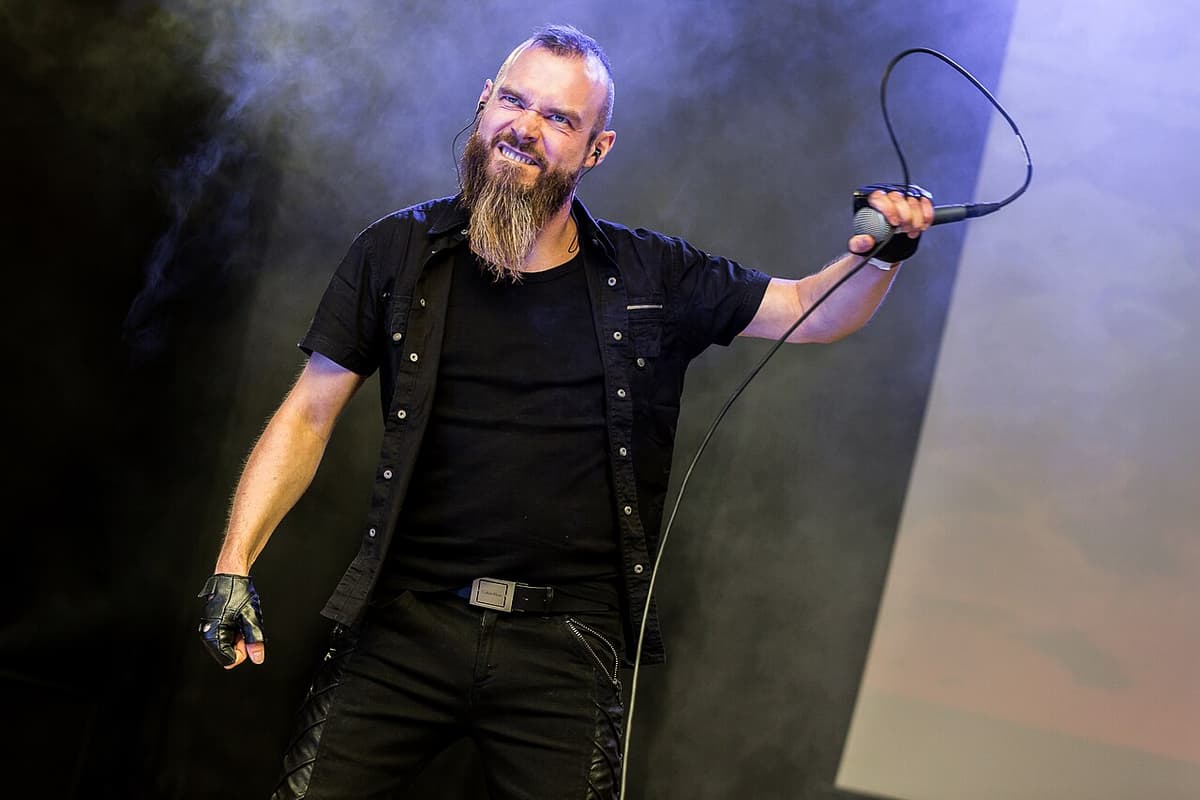
Shares industrial, darkwave, post-punk (subgenres); defiant, tense, brooding (moods)
Shares analog warmth, drum machine, minimalist (production style); brooding, defiant, mysterious (moods)
Cassette uses generative AI to enrich its catalog. How we use AI →