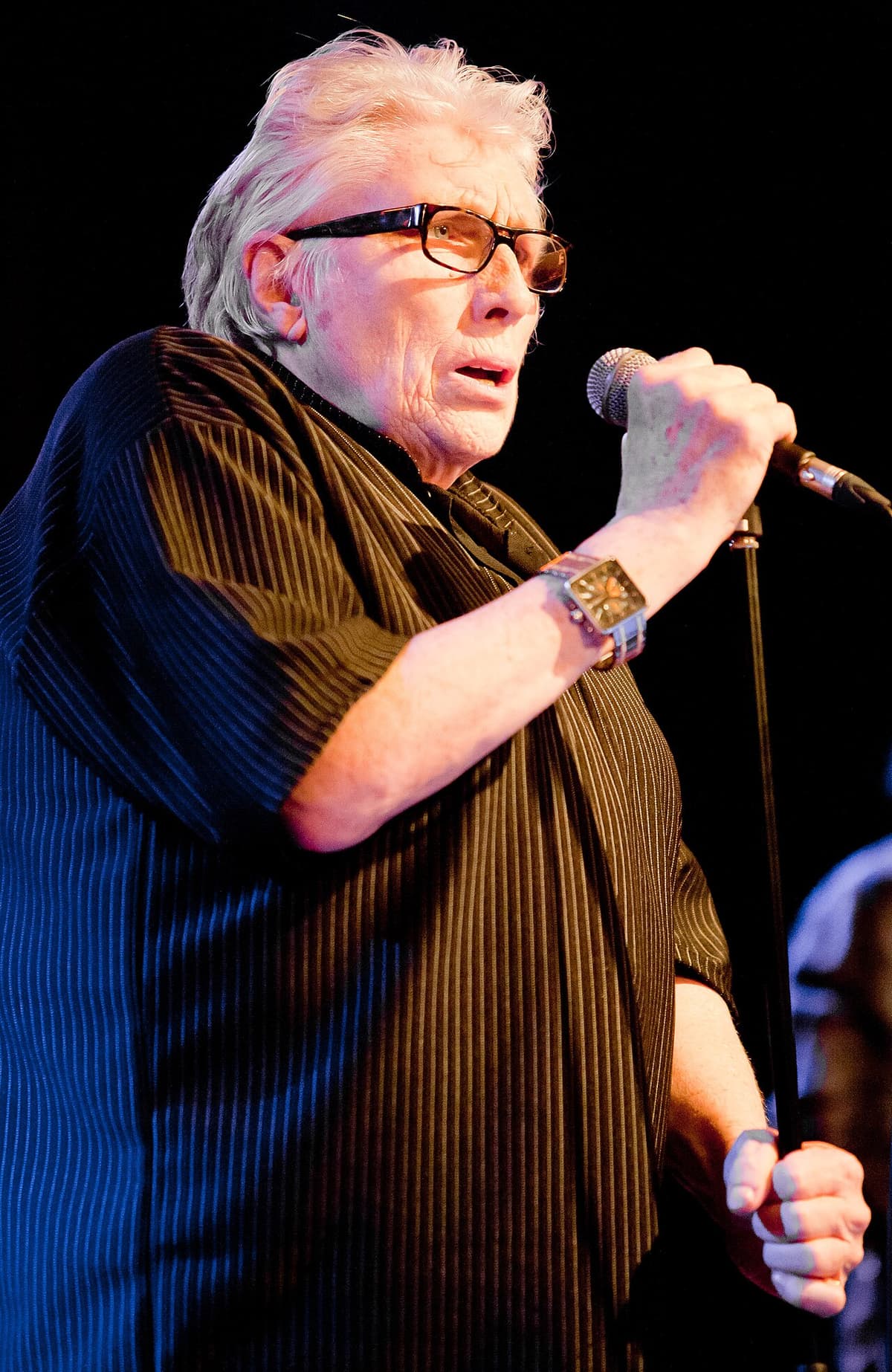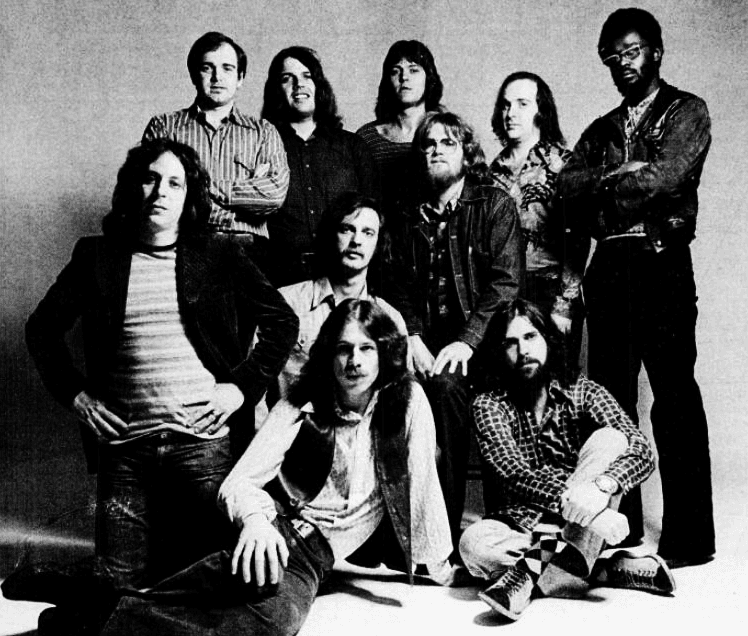
Blood, Sweat & Tears
High-octane brass meets gritty blue-eyed soul. Sophisticated arrangements that bridge the gap between a smoky jazz club and a massive rock stadium.
High-octane brass meets gritty blue-eyed soul. Sophisticated arrangements that bridge the gap between a smoky jazz club and a massive rock stadium.
Blood, Sweat & Tears sounds like the exact moment rock and roll decided to go to music school without losing its edge. It is a wall of sound built from gleaming brass, growling Hammond organs, and a rhythm section that swings as hard as it hits. The music carries a certain 1969 swagger, blending the technical precision of a conservatory with the raw, sweat-soaked energy of a Greenwich Village blues club.
What truly sets them apart is the sheer density of their arrangements. While their peers were stripping things down, BS&T was adding layers, incorporating everything from Erik Satie compositions to complex jazz improvisations into three-minute pop songs. The vocals, particularly during the David Clayton-Thomas era, provide a muscular, gravelly counterpoint to the bright, piercing clarity of the horn section, creating a tension that feels both sophisticated and primal.
Start with their self-titled 1968 album. It is the definitive document of the 'brass rock' movement, containing the massive hits that defined the era. If you want something a bit more experimental and psychedelic, jump back to their debut, Child Is Father to the Man, to hear Al Kooper's original, more eclectic vision for the band.
Blood, Sweat & Tears (also known as "BS&T") is an American jazz rock music group founded in New York City in 1967, noted for combining a brass section with rock band instrumentation. BS&T has gone through numerous iterations with varying personnel and has encompassed a wide range of musical styles. Their sound has merged rock, pop and R&B/soul music with big band jazz. The group's second album, Blood, Sweat & Tears, spent seven weeks atop the U.S. charts in 1969 and won the Grammy Award for Album of the Year in 1970. It contained the hit recordings "And When I Die", "You've Made Me So Very Happy", and "Spinning Wheel". All of these peaked at number 2 on the Billboard Hot 100. The follow-up album, Blood, Sweat & Tears 3, also reached number 1 in the U.S. In addition to original music, the group is known for arrangements of popular songs by Laura Nyro, James Taylor, Carole King, the Band, the Rolling Stones, Billie Holiday and many others. The group has also adapted music from Erik Satie, Thelonious Monk and Sergei Prokofiev into their arrangements. The group was inspired by the "brass-rock" of the Buckinghams as well as the Maynard Ferguson Orchestra. BS&T's success paralleled that of similarly configured ensembles such as Chicago (another group produced by Guercio) and the Electric Flag, but by the mid-1970s the group's popularity began a decline.
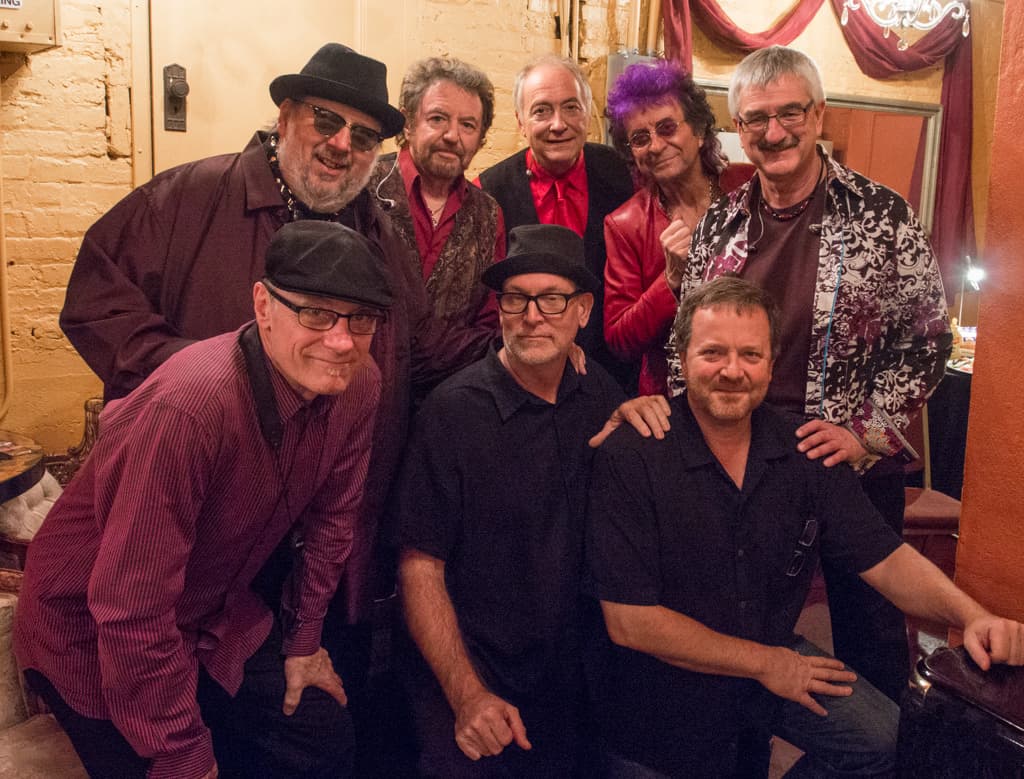
Shares orchestral arrangement, studio polished, analog warmth (production style); soulful, confident, playful (moods)
Shares art rock, soul, psychedelic rock (subgenres); analog warmth, studio polished, live recording (production style)
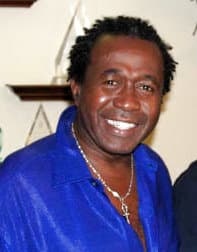
Shares orchestral arrangement, studio polished, analog warmth (production style); triumphant, soulful, confident (moods)
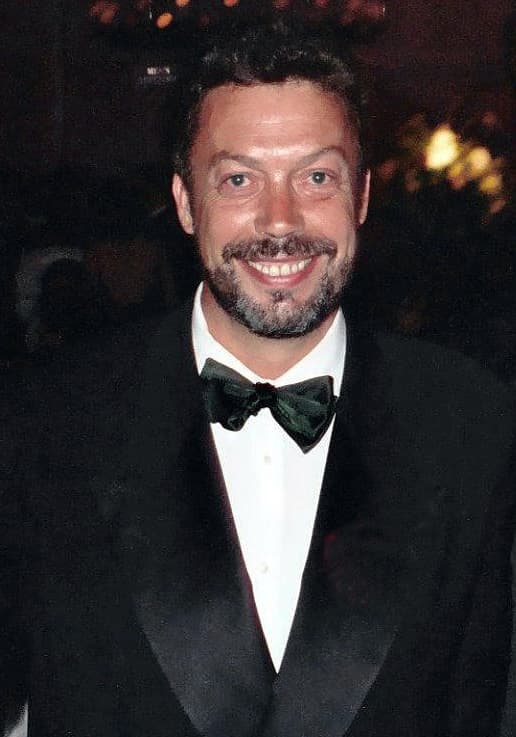
Shares studio polished, analog warmth, orchestral arrangement (production style); art rock, baroque pop (subgenres)
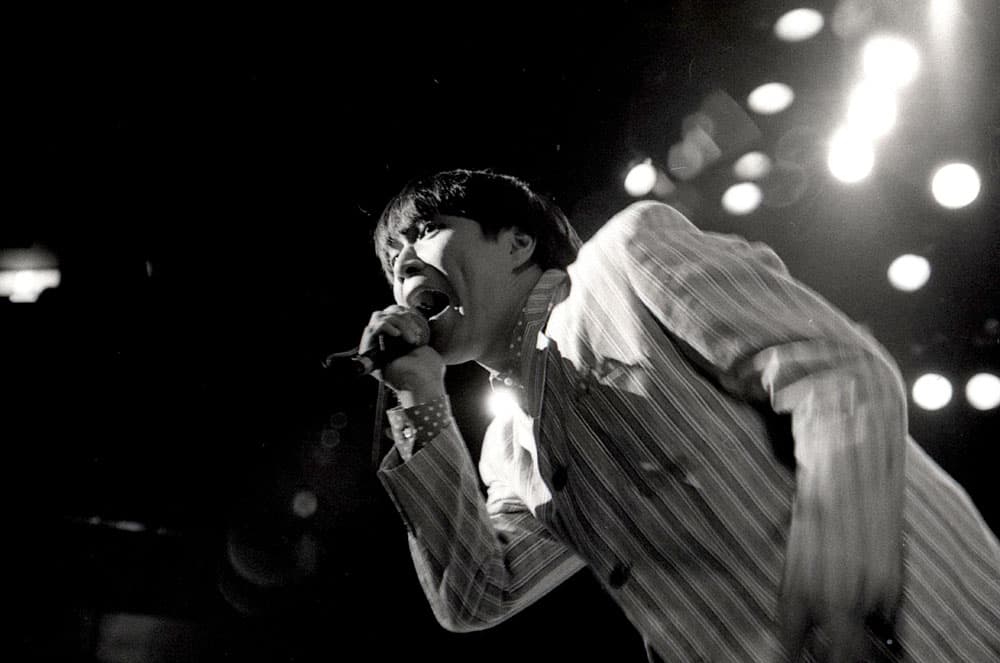
Shares psychedelic rock, art rock, baroque pop (subgenres); orchestral arrangement, studio polished, analog warmth (production style)
Shares art rock, soul, psychedelic rock (subgenres); analog warmth, live recording, studio polished (production style)

Shares orchestral arrangement, studio polished, analog warmth (production style); triumphant, soulful, confident (moods)
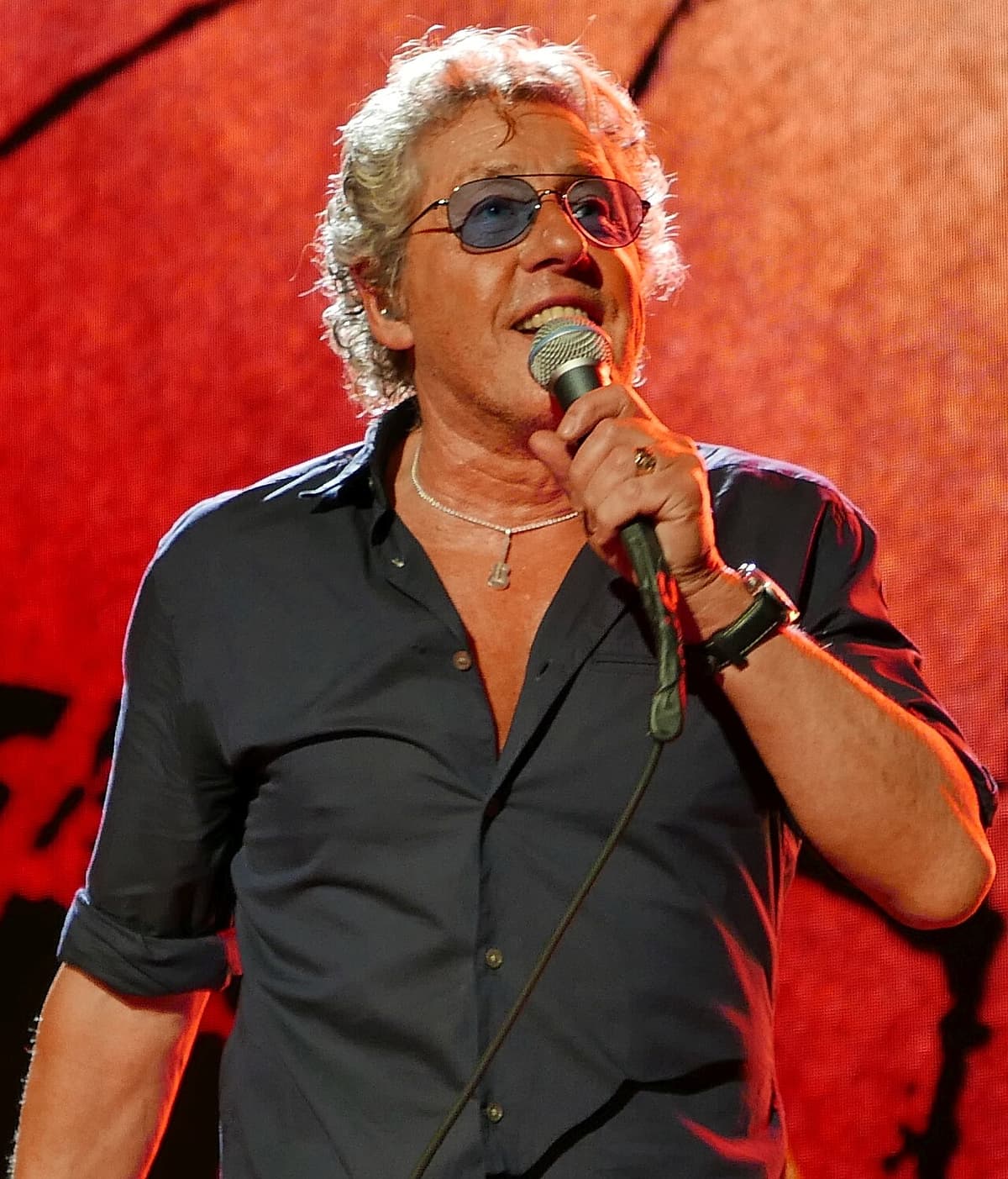
Shares orchestral arrangement, studio polished, analog warmth (production style); belting, baritone, gravelly (vocal style)
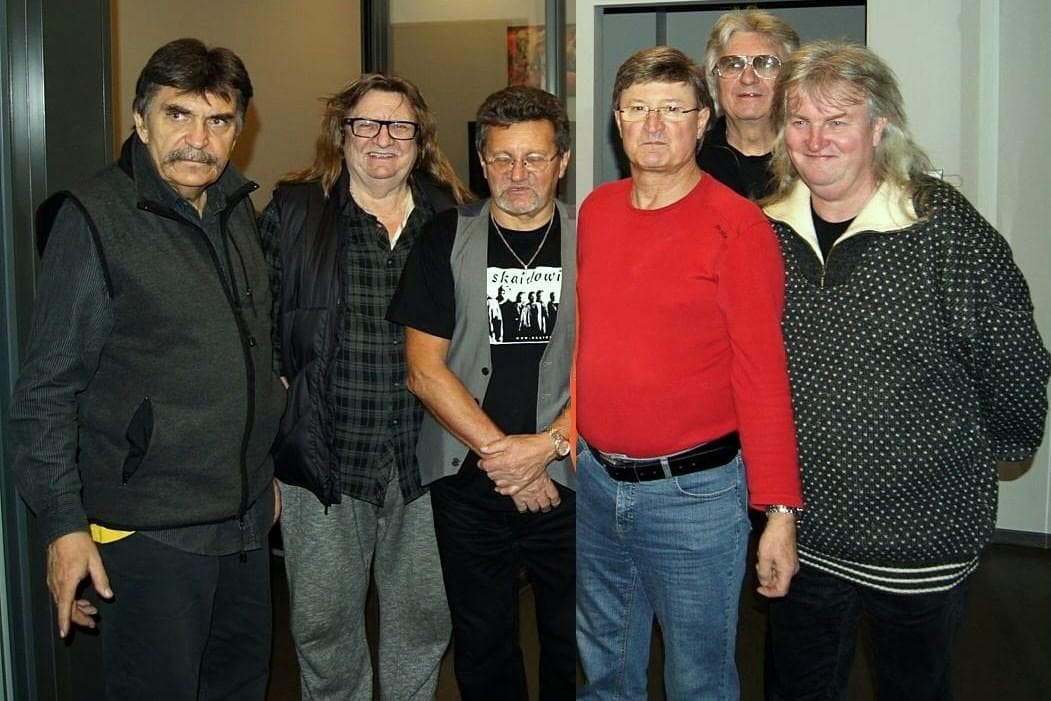
Shares orchestral arrangement, studio polished, analog warmth (production style); art rock, psychedelic rock, baroque pop (subgenres)
Shares orchestral arrangement, studio polished, analog warmth (production style); urban night, festival, sunday morning (atmosphere)
Cassette uses generative AI to enrich its catalog. How we use AI →