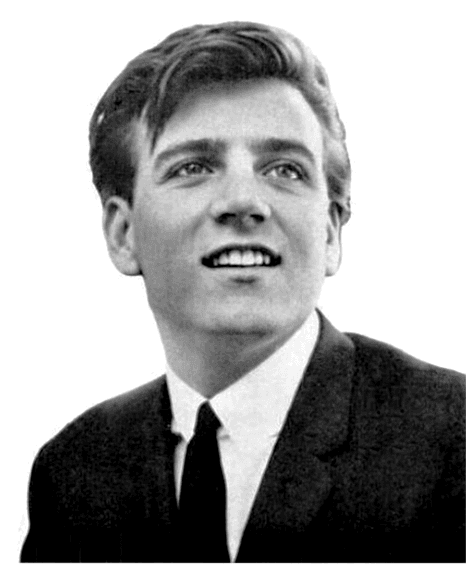
Billy J. Kramer
Polished Merseybeat with a sentimental heart. Gentle, guitar-driven pop that captures the sunnier side of the British Invasion. Perfect for a nostalgic Sunday morning.
Polished Merseybeat with a sentimental heart. Gentle, guitar-driven pop that captures the sunnier side of the British Invasion. Perfect for a nostalgic Sunday morning.
Billy J. Kramer represents the softer, more curated side of the Merseybeat explosion. While his contemporaries often leaned into the raw energy of American R&B, Kramer's sound is defined by a melodic sweetness and a professional studio sheen, largely thanks to the sophisticated production of George Martin. It is music that feels like a well-tailored suit: sharp, intentional, and undeniably British.
What truly distinguishes Kramer is his role as the primary vessel for the 'songs the Beatles gave away.' His voice, a smooth and approachable baritone, was the perfect vehicle for Lennon and McCartney's more sentimental early compositions. Backed by the Dakotas, a band with a tighter, more surf-influenced guitar sound than many Liverpool groups, Kramer bridged the gap between traditional pop crooning and the emerging rock and roll movement.
To understand his appeal, start with 'Bad to Me' or 'Do You Want to Know a Secret?' These tracks showcase the shimmering guitar lines and earnest vocal delivery that made him a chart fixture. It is the ideal soundtrack for moments of lighthearted reflection or when you want to inhabit the optimistic, jangly atmosphere of 1963.
William Howard Ashton (born 19 August 1943), known professionally as Billy J. Kramer, is an English pop singer. With the Dakotas, Kramer was managed by Brian Epstein during the 1960s and scored hits with several Lennon–McCartney compositions never recorded by the Beatles, among them the UK number one "Bad to Me" (1963). Kramer and the Dakotas had a further UK chart-topper in 1964 with "Little Children" and achieved U.S. success as part of the British Invasion. Since the end of the beat boom, Kramer has continued to record and perform. His autobiography, Do You Want to Know a Secret, was published in 2016.
Shares sentimental, wistful, playful (moods); crooning, baritone, gentle (vocal style)
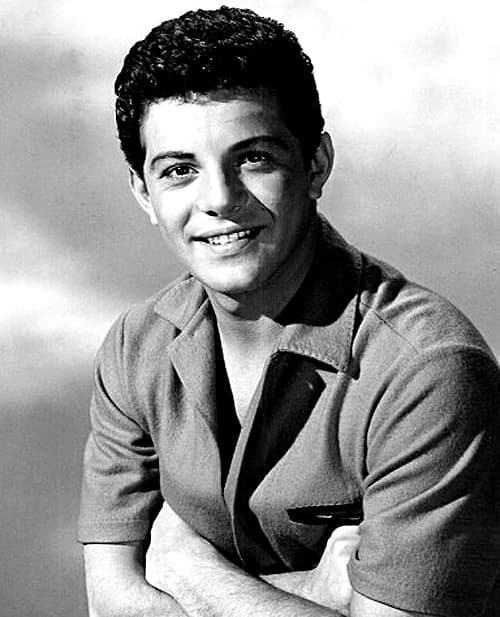
Shares crooning, baritone, gentle (vocal style); studio polished, analog warmth, reverb heavy (production style)
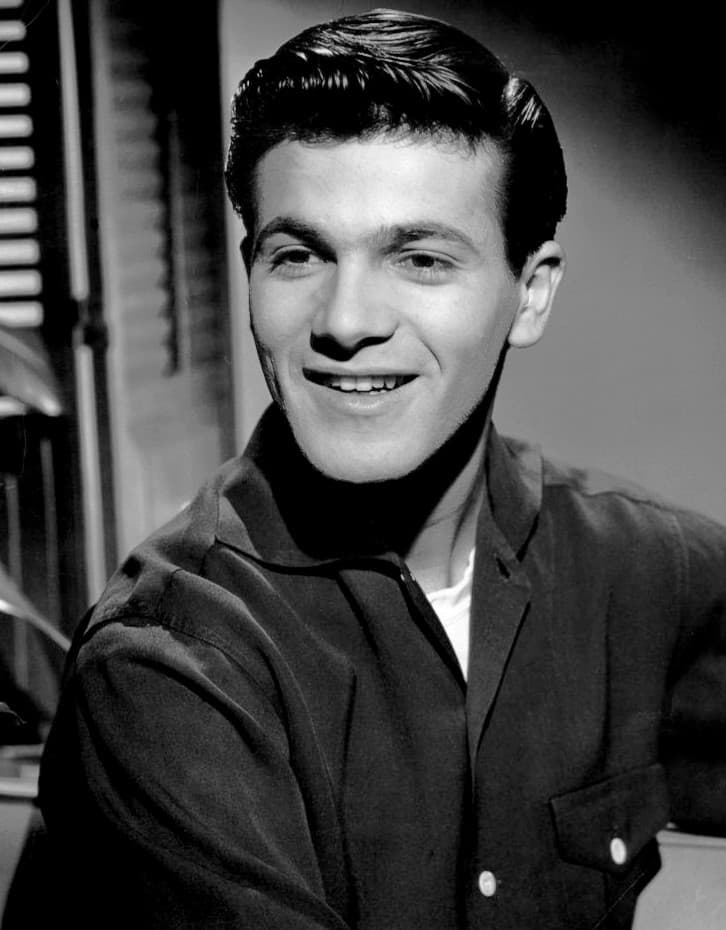
Shares crooning, baritone, gentle (vocal style); studio polished, analog warmth, reverb heavy (production style)
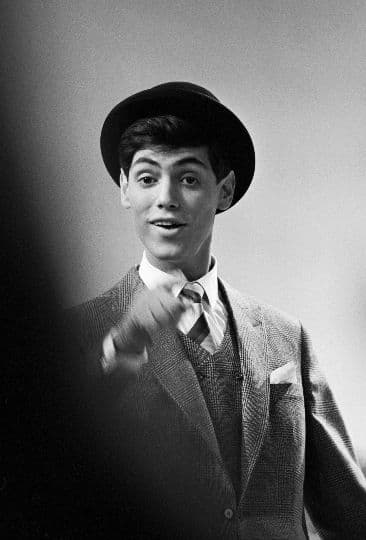
Shares studio polished, analog warmth, reverb heavy (production style); crooning, baritone, gentle (vocal style)
Shares studio polished, analog warmth, reverb heavy (production style); crooning, baritone, gentle (vocal style)
Shares analog warmth, studio polished, live recording (production style); sunday morning, coffee shop, road trip (atmosphere)

Shares studio polished, analog warmth, live recording (production style); sunday morning, coffee shop, road trip (atmosphere)
Shares studio polished, analog warmth, reverb heavy (production style); traditional pop, rockabilly (subgenres)
Shares studio polished, analog warmth, reverb heavy (production style); traditional pop, rockabilly (subgenres)
Shares traditional pop, rockabilly (subgenres); studio polished, analog warmth, live recording (production style)
Shares rockabilly, sentimental, traditional pop, romantic (subgenre)
Cassette uses generative AI to enrich its catalog. How we use AI →


