Battlefield Band
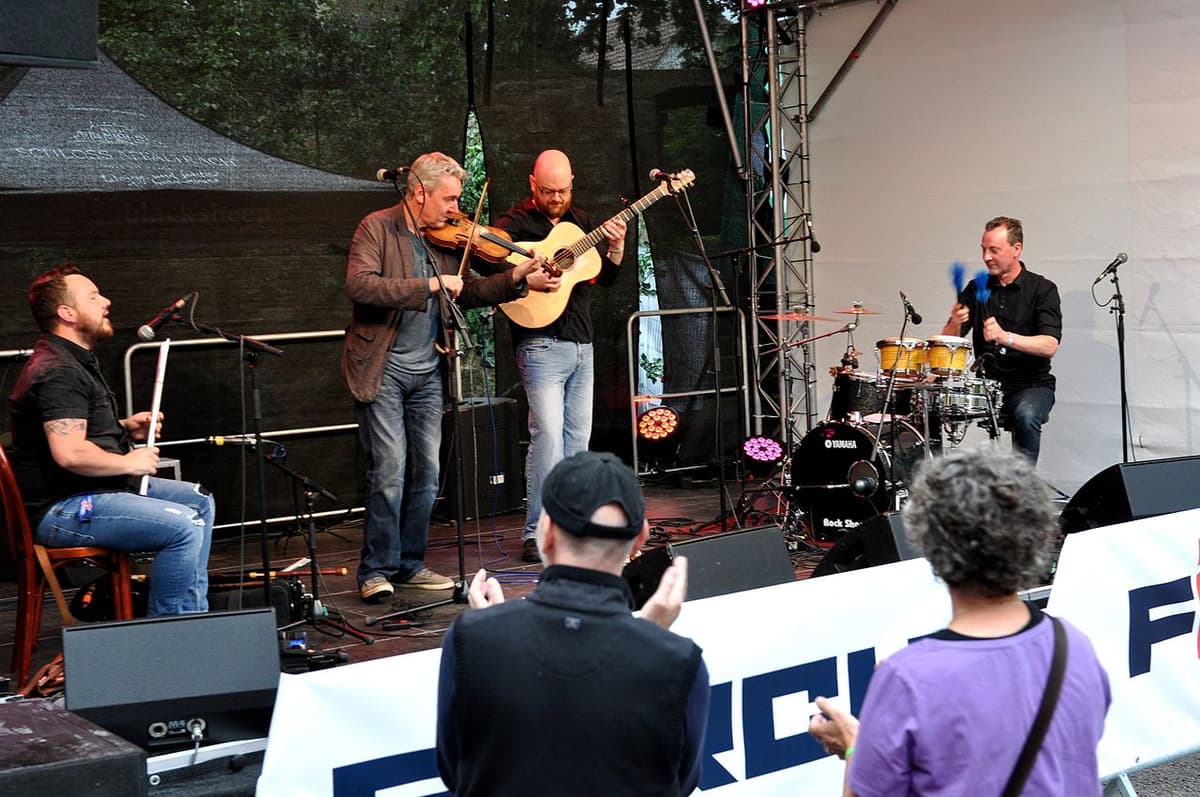
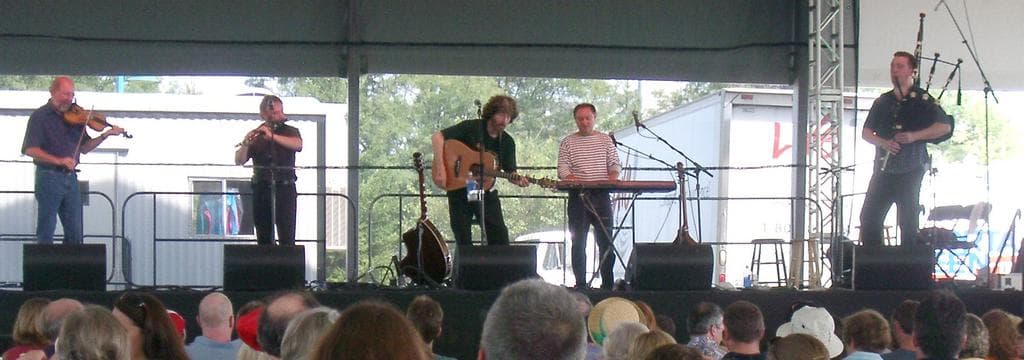
Driving Scottish pipes and fiddles meeting unexpected 80s synth textures. High-energy traditional music that feels like a long trek through the Highlands.
Driving Scottish pipes and fiddles meeting unexpected 80s synth textures. High-energy traditional music that feels like a long trek through the Highlands.
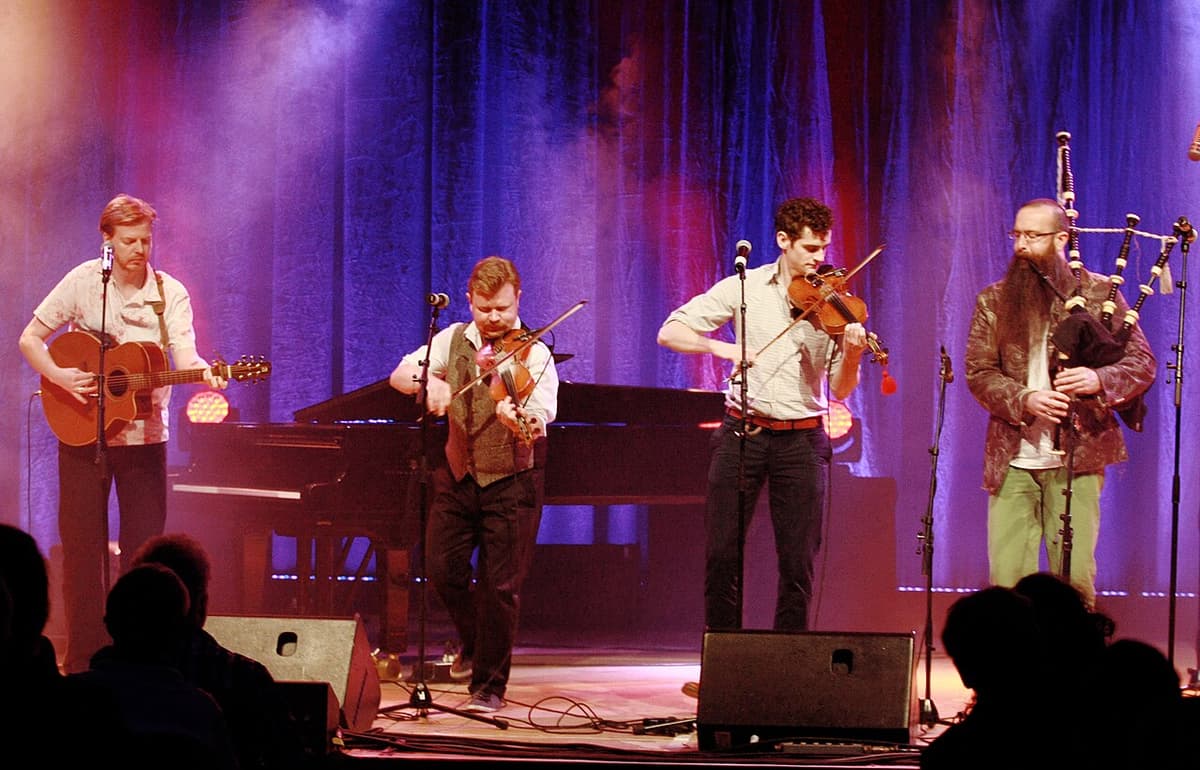
Battlefield Band offers a masterclass in how to evolve traditional music without losing its soul. Their sound is defined by a robust, muscular approach to Scottish folk, where the Highland bagpipes are not just an ornament but the engine. There is a specific warmth to their recordings, often blending the woody resonance of fiddles and citterns with the surprising, soft glow of electric keyboards, creating a bridge between the 18th and 20th centuries.
What truly sets them apart is their rhythmic ingenuity. Despite famously lacking a drummer for much of their career, they achieve a propulsive, danceable energy through intricate interlocking instrumental parts. Their repertoire is a deep dive into Scotland's identity, moving from rowdy drinking songs and lightning-fast reels to somber, meticulously researched historical narratives that feel vital and contemporary.
Start with 'Home Is Where the Van Is' to hear them at their peak of road-tested tightness. It captures the essence of a band that spent decades in transit, bringing the fire of the Glasgow folk scene to the rest of the world with unparalleled technical skill and a hearty, welcoming spirit.
Battlefield Band was a Scottish traditional music group. Founded in Glasgow in 1969, they have released over 30 albums and undergone many changes of lineup. As of 2010, none of the original founders remain in the band. Their last known live performance occurred in August 2017. The band is noted for their combination of bagpipes with non-traditional instruments, such as electronic keyboards, and for its mix of traditional songs and new material. Battlefield Band toured internationally, playing to audiences in Europe, Australia, Asia, the Middle East, and North America. They have collaborated with other musicians including the Scottish harp player and glass sculptor Alison Kinnaird.
Cassette uses generative AI to enrich its catalog. How we use AI →