Bad Nerves play music that feels like it’s being chased by its own tempo. It is a relentless, breathless collision of 1970s punk aggression and the melodic precision of early 2000s indie rock. Every track is a short, sharp shock of distorted guitars and motorik drumming that refuses to let up until the final second. It’s the sound of a band playing as if their instruments might explode if they slow down even slightly.
What truly sets them apart is the 'power' in their power-pop. While the speed is pure punk, the vocal melodies are sugary and infectious, delivered with a distinctive, nasal bratty quality that cuts through the wall of fuzz. The production is incredibly tight and compressed, giving the music a modern, punchy sheen that makes it feel vital and immediate rather than a nostalgic throwback to the CBGB era.
Start with their self-titled debut album. It is a masterclass in economy, packing more hooks into twenty-five minutes than most bands manage in a career. It’s the perfect entry point for anyone who wants the raw energy of garage rock without sacrificing the kind of choruses you’ll be humming for days.


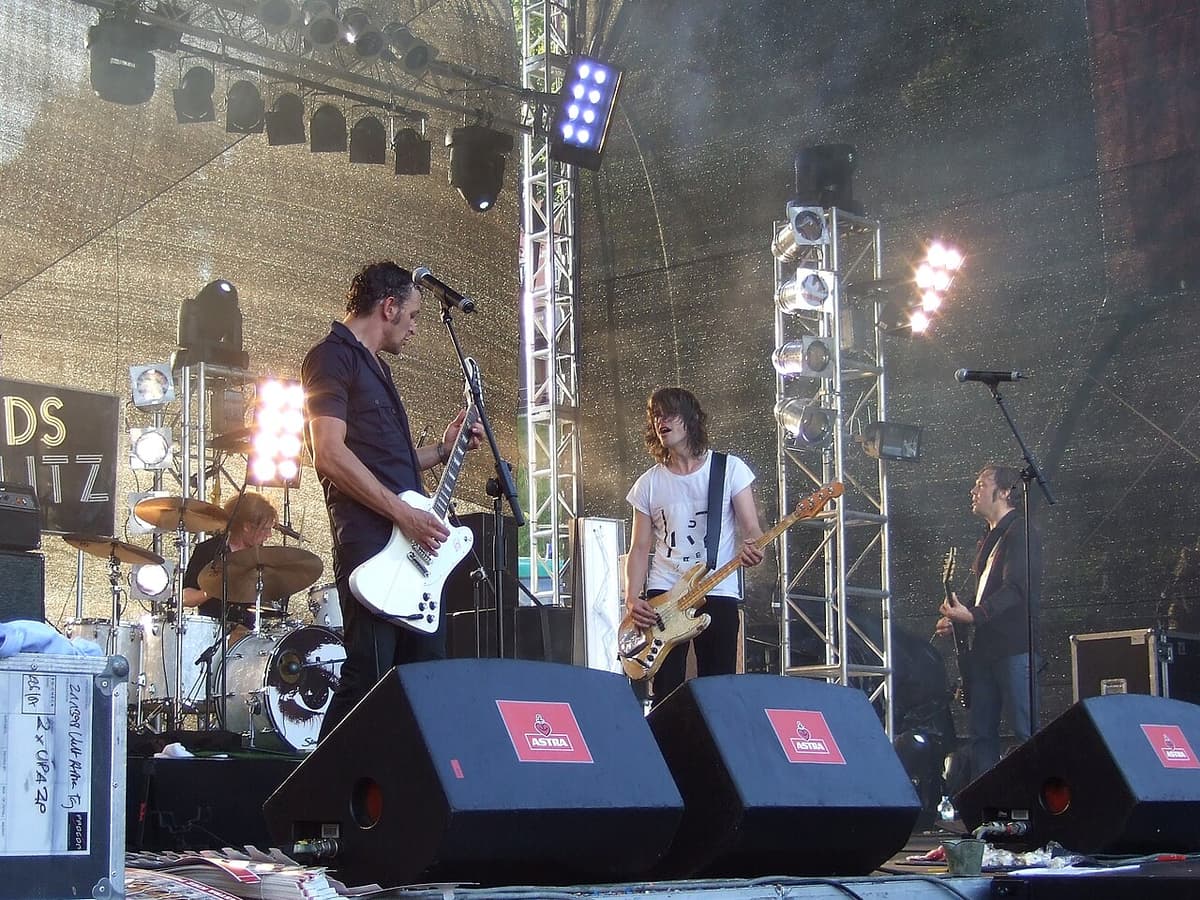
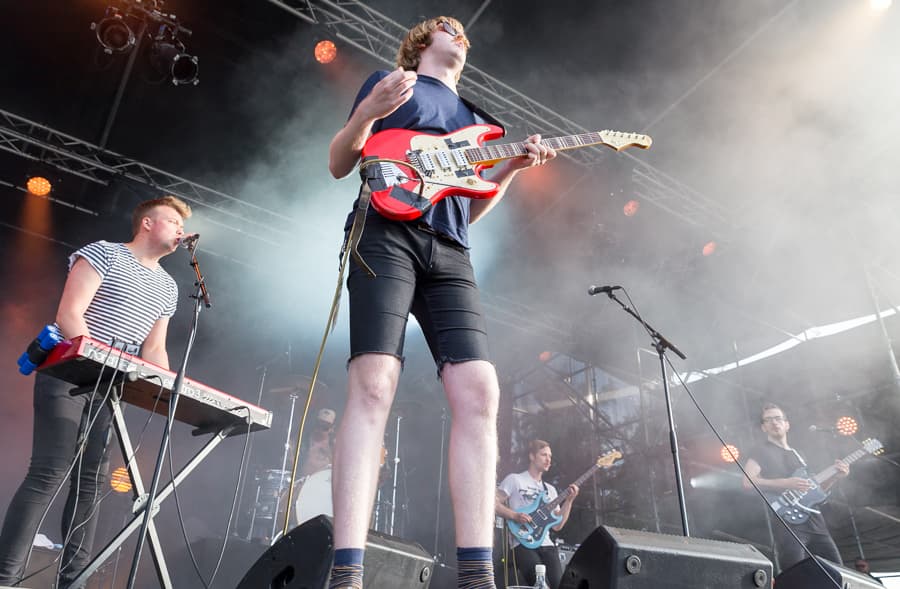
Shares compressed loud, analog warmth, studio polished (production style); basement show, dive bar, festival (atmosphere)
Shares garage rock, punk rock, indie rock (subgenres); energetic, urgent, rebellious (moods)
Shares garage rock, punk rock, power pop (subgenres); basement show, dive bar, festival (atmosphere)

Shares energetic, rebellious, urgent (moods); noise textured, analog warmth, compressed loud (production style)
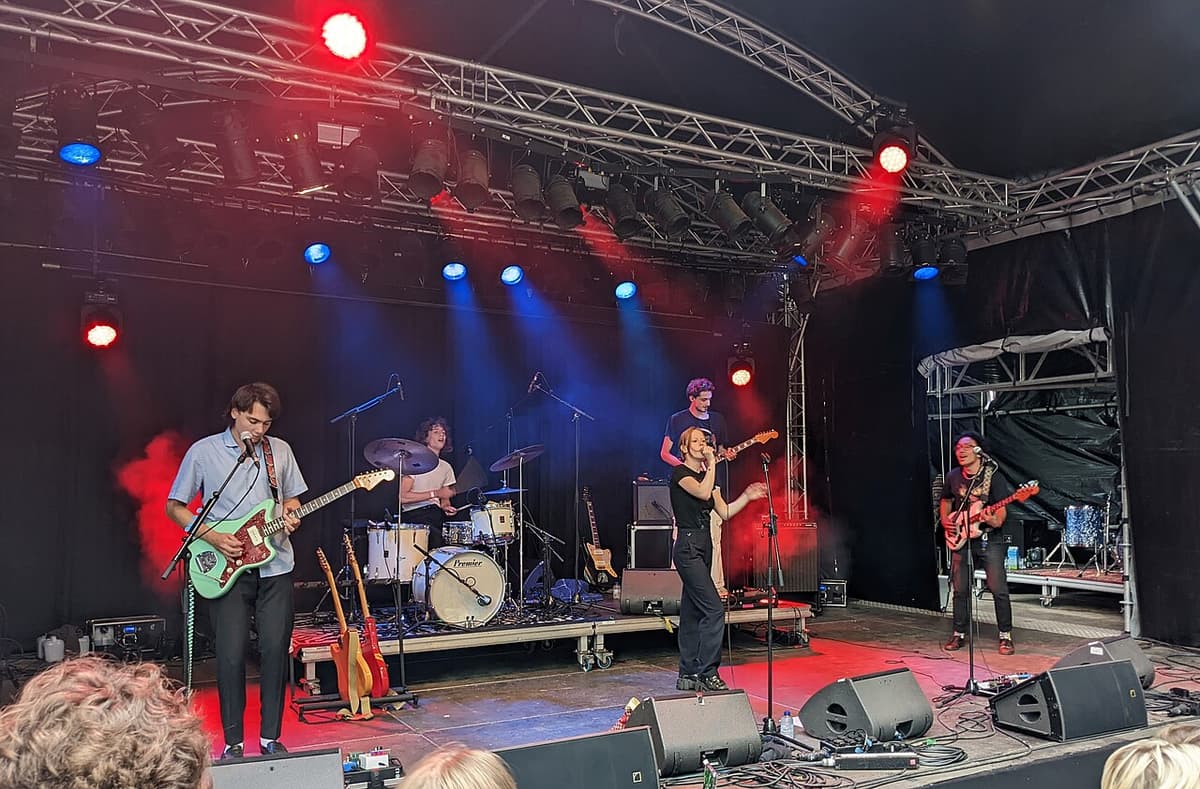
Shares garage rock, punk rock, power pop (subgenres); compressed loud, analog warmth, studio polished (production style)

Shares compressed loud, analog warmth, studio polished (production style); energetic, rebellious, playful (moods)
Shares urgent, power pop, garage rock, punk rock (signature)
Cassette uses generative AI to enrich its catalog. How we use AI →