Babe
Irreverent Serbian rock with a satirical bite. High-energy anthems about urban misfits, delivered with a wink and a gritty Belgrade edge.
Irreverent Serbian rock with a satirical bite. High-energy anthems about urban misfits, delivered with a wink and a gritty Belgrade edge.
Babe sounds like the smartest, funniest guys in the bar decided to plug in their amps and tell stories about the chaos of the city. Their music is rooted in the classic rock and post-punk traditions of the former Yugoslavia, but it is stripped of any self-seriousness. It is music that feels lived-in, slightly hungover, and deeply human, characterized by catchy guitar hooks and a rhythm section that never lets up.
What makes them truly distinctive is their lyrical perspective. As a supergroup of seasoned musicians, they used Babe to explore the quirky, offbeat, and often taboo subjects their main bands wouldn't touch. From songs about local eccentrics to biting social satire, they manage to be hilarious without becoming a novelty act, maintaining a high level of musicianship throughout their catalog.
Start with their debut, 'Slike iz života jednog idiota'. It captures the band at their most spontaneous and contains their biggest hits. It is the perfect introduction to their blend of alternative rock energy and Balkan wit.
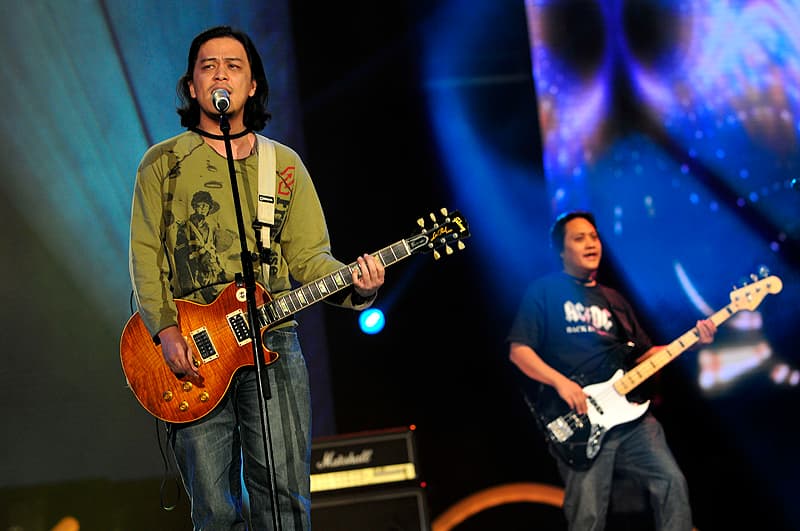
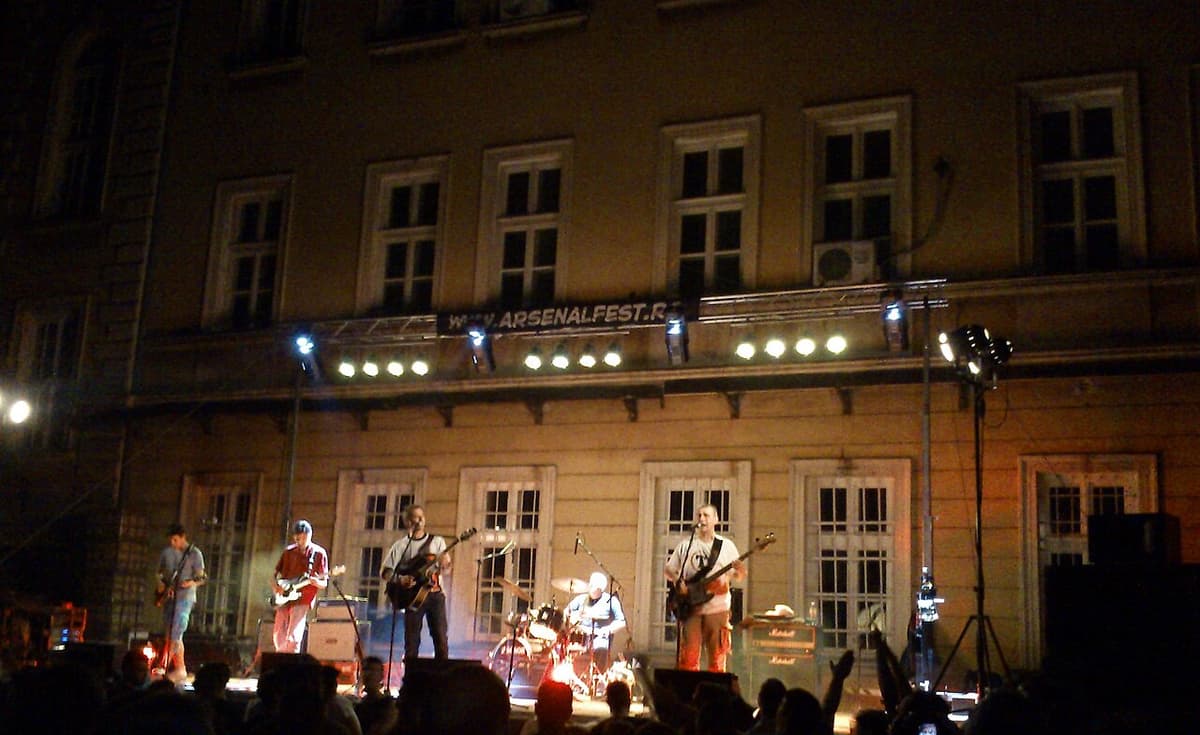
Babe (Serbian Cyrillic: Бабе; translation: Grandmas) is a Serbian rock band formed in Belgrade in 1992. Babe were formed in 1992 as a supergroup, with Bajaga i Instruktori guitarist Žika Milenković on vocals and guitar, Električni Orgazam drummer Goran "Čavke" Čavajda on drums and vocals, Riblja Čorba guitarist Zoran Ilić, and former Bezobrazno Zeleno bassist Bojan Vasić. They got together with the intention of recording a studio album of quirky and offbeat material they weren't able to push through their original bands. Vasić left during the recording sessions and was replaced by Dejan Škopelja (formerly of U Škripcu). Initially a one-off side project, with hits like "Noć bez sna" and "Da te vidim golu" off their 1993 release Slike iz života jednog idiota, Babe unexpectedly gained a significant mainstream popularity in FR Yugoslavia that led to the band's decision to continue on beyond that album. However, their second album, despite the hit song "Ko me ter'o", did not see the same success. Čavajda left the band after the album release, and the band released another studio album before ending their activity in 1999. Babe reunited in 2013, in the lineup featuring Milenković, Ilić, Škopelja and drummer Goran Ljuboja "Trut".
Shares alternative rock, pop rock, punk rock (subgenres); playful, rebellious, energetic (moods)
Shares playful, rebellious, energetic (moods); live recording, analog warmth, studio polished (production style)
Shares alternative rock, pop rock, punk rock (subgenres); live recording, analog warmth, studio polished (production style)
Shares alternative rock, pop rock, punk rock (subgenres); live recording, analog warmth, studio polished (production style)
Shares live recording, analog warmth, studio polished (production style); playful, rebellious, energetic (moods)
Shares alternative rock, pop rock, punk rock (subgenres); live recording, analog warmth, studio polished (production style)
Shares playful, rebellious, energetic (moods); alternative rock, punk rock (subgenres)
Shares alternative rock, pop rock, punk rock (subgenres); playful, rebellious, energetic (moods)
Shares alternative rock, punk rock (subgenres); playful, rebellious, energetic (moods)
Shares comedy rock, humor satire, pop rock, rebellious (signature)
Shares humor satire, punk rock, pop rock, rebellious (signature)
Cassette uses generative AI to enrich its catalog. How we use AI →