Armia
High-velocity punk rock meets majestic French horn and philosophical depth. A dense, spiritual wall of sound that feels both ancient and urgent.
High-velocity punk rock meets majestic French horn and philosophical depth. A dense, spiritual wall of sound that feels both ancient and urgent.
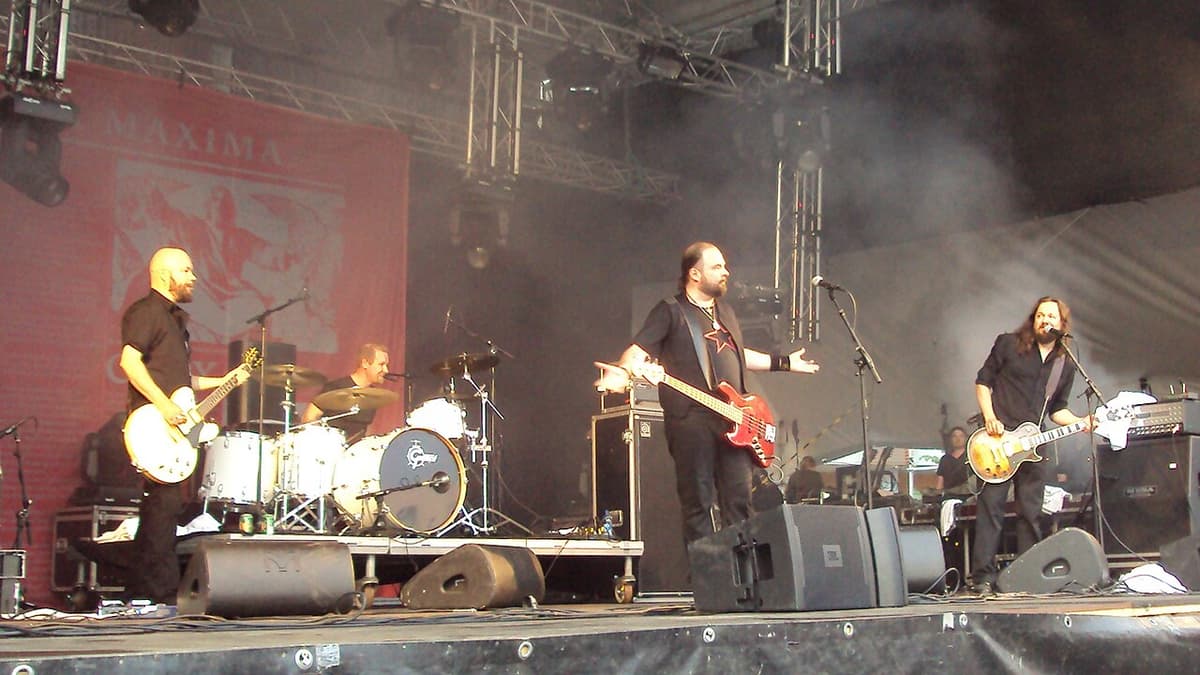
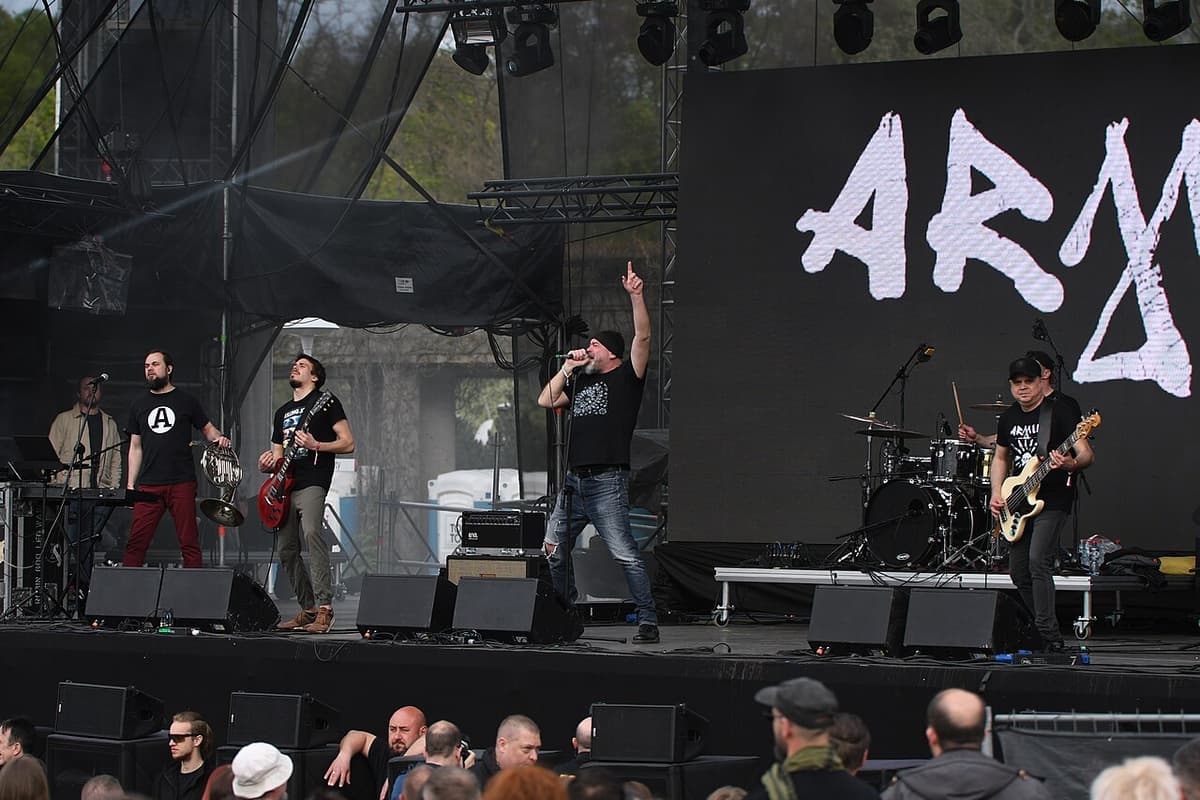
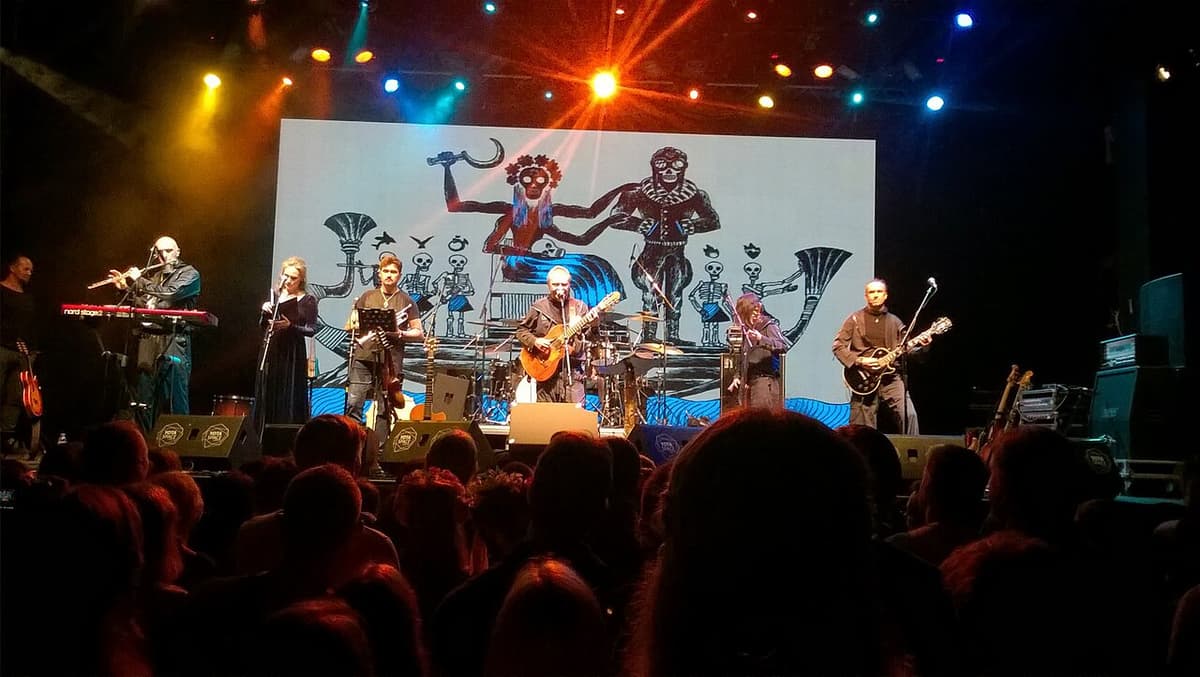
Armia sounds like a collision between the raw, jagged energy of the 1980s Polish underground and the grand, sweeping scale of a dark fantasy epic. The foundation is undeniably punk, characterized by driving rhythms and aggressive guitar work, but it is immediately elevated by the presence of a French horn that adds a regal, almost medieval texture to the chaos. It is music that feels heavy not just in volume, but in its intellectual and spiritual weight.
What truly sets them apart is the 'Legenda' era sound, where the band moved beyond simple rebellion into a space of myth-making. Tomasz Budzyński’s vocals carry a shamanic intensity, delivering lyrics that pull from Tolkien, Beckett, and the Bible. The production is often dense and layered, creating a 'wall of sound' effect that makes a four-piece punk band feel like a full orchestra performing in a crumbling cathedral.
To understand their impact, start with the album 'Legenda'. It is the definitive statement of their unique 'fairy-tale punk' aesthetic. From there, move to 'Triodante' for a more experimental, theatrical experience, or 'Antiarmia' if you want to hear their more straightforward, high-energy hardcore roots.
Armia (English: Army) is a Polish punk rock band founded in 1985 by Tomasz Budzyński, Sławomir Gołaszewski and Robert Brylewski. Armia is famous for its use of horn, which was unusual of punk rock bands in late 1980s and 1990s. With poetic (often inspired by philosophy and literature) lyrics, written by Budzyński, and evolving, creative music Armia has gained popularity and respect over the years, and its concerts now attract numerous fans of rock music. Armia's lyrics and cover art has frequently alluded to philosophy, literature and religion. The cover of the LP Legenda (A Legend) features Don Quijote and some lyrics were inspired by gnosticism. The title of the LP Czas i Byt (Being and Time) comes from Martin Heidegger's work Being and Time. Other sources of inspiration include the fiction of J. R. R. Tolkien, the Bible, The Divine Comedy and Samuel Beckett (Triodante), Tove Jansson's The Moomins, films like Werner Herzog's Aguirre, the Wrath of God or Marek Piwowski's Rejs. Although the basis of Armia's sound has always been punk rock, the band's changing musicians have brought with them numerous other styles and material: hardcore, heavy metal, keyboard riffs, sampling, and complex, quasi-orchestral arrangements. Therefore, each of the band's albums sounds different from the rest.
Shares mysterious, intense, contemplative (moods); layered dense, analog warmth, lo fi (production style)
Shares baritone, intense, chanting (vocal style); mysterious, intense, brooding (moods)
Shares mysterious, intense, contemplative (moods); layered dense, analog warmth (production style)
Shares mysterious, intense, contemplative (moods); layered dense, orchestral arrangement (production style)
Shares brooding, intense, mysterious (moods); intense, baritone, chanting (vocal style)
Shares layered dense, analog warmth, orchestral arrangement (production style); mysterious, intense, contemplative (moods)
Shares orchestral arrangement, analog warmth, layered dense (production style); triumphant, mysterious, contemplative (moods)
Shares spirituality, cathedral, forest, art rock (signature)
Cassette uses generative AI to enrich its catalog. How we use AI →