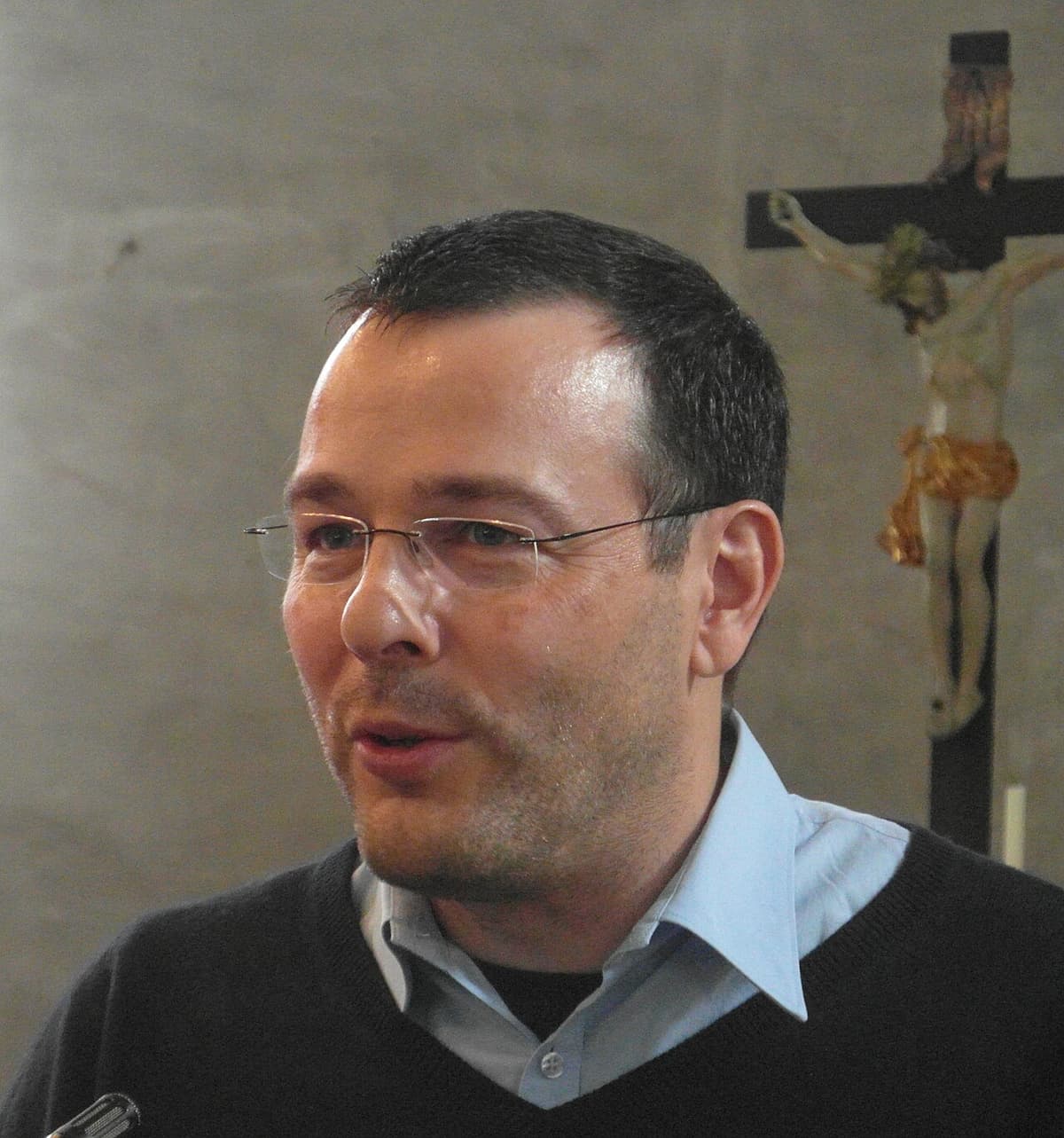
Andreas Scholl
Pure, crystalline countertenor vocals that bridge the gap between ancient sacred music and modern intimacy. Perfect for moments of deep stillness and reflection.
Pure, crystalline countertenor vocals that bridge the gap between ancient sacred music and modern intimacy. Perfect for moments of deep stillness and reflection.
Listening to Andreas Scholl is like entering a space where time has been suspended. His voice possesses a preternatural clarity, a high male alto range that feels both otherworldly and deeply human. It is music that demands a lowering of the heart rate, offering a sonic purity that seems to scrub the air clean of modern noise. Whether he is performing complex Baroque arias or simple folk songs, there is a profound sense of poise and architectural balance in every note.
What sets Scholl apart is his refusal to indulge in the histrionics often associated with opera. He approaches the Baroque repertoire with the precision of a scholar and the soul of a poet, using a minimal, controlled vibrato that allows the natural resonance of his voice to bloom. His work with lute accompaniment is particularly striking, creating an intimate, conversational atmosphere that feels like a private performance in a 17th-century chamber.
Start with 'English Folksongs & Lute Songs' to hear the raw, unadorned beauty of his phrasing. For those interested in his technical mastery of the grand Baroque style, 'Arias for Senesino' showcases the power and agility he brings to the roles originally written for the great castrati of Handel's era.
Andreas Scholl (born 10 November 1967) is a German countertenor, a male classical singer in the alto vocal range, specialising in Baroque music. Born into a family of singers, Scholl was enrolled at the age of seven into the Kiedricher Chorbuben boys choir. Aged 13, he was chosen from 20,000 choristers gathered in Rome from around the world to sing solo at a Mass held on 4 January 1981. Just four years later, Scholl was offered a place at the Schola Cantorum Basiliensis, an institution that normally accepts only post-graduate students, based on the strength and quality of his voice. He became an instructor at the Schola Cantorum Basiliensis in Switzerland, succeeding his own teacher, Richard Levitt. Since October 2019, he has been a professor at the Universität Mozarteum in Salzburg, Austria. This is his only position as a teacher now. Scholl's early operatic roles include his standing in for René Jacobs in 1993 at the Théâtre Grévin in Paris, where he caused a sensation. His major roles, such as his debut at Glyndebourne in 1998 as Bertarido in Handel's Rodelinda, a role he reprised at the Metropolitan Opera in 2006, were written for the 18th-century alto castrato Senesino. The bulk of Scholl's recording career has been with Harmonia Mundi and Decca, and his CDs are among Harmonia Mundi's best sellers. He has worked with most contemporary Baroque specialists, including William Christie and Philippe Herreweghe, and is himself a songwriter and composer of ballet and theatre music, with his own professional sound studio.
Cassette uses generative AI to enrich its catalog. How we use AI →


