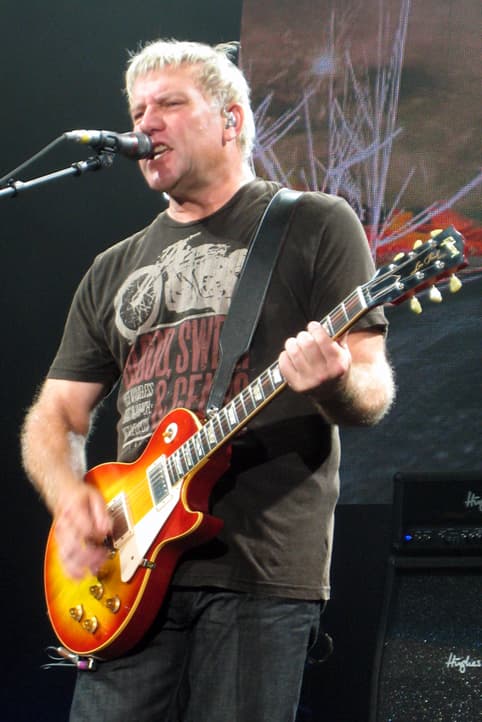
Alex Lifeson
Expansive, textured guitar work that balances technical precision with heavy, atmospheric moods. A masterclass in spatial sound and rhythmic complexity.
Expansive, textured guitar work that balances technical precision with heavy, atmospheric moods. A masterclass in spatial sound and rhythmic complexity.
Alex Lifeson's solo work and distinctive contributions to the rock canon feel like a deep dive into the architecture of sound. While many guitarists focus on the speed of their fingers, Lifeson focuses on the shape of the air around the notes. His music often carries a weight that is both intellectual and visceral, blending the grit of hard rock with the ethereal shimmer of 80s and 90s processing. It is music that feels designed for high-fidelity speakers and undivided attention.
What truly sets him apart is his use of space and texture. He is a pioneer of using open-string voicings to create a massive, orchestral sound from a single instrument, often drenching his chords in chorus and delay to create a sense of three-dimensional movement. His solo project, Victor, reveals a darker, more industrial edge than his primary band, showcasing a willingness to experiment with jagged rhythms and unsettling vocal collaborations that push the boundaries of traditional rock.
Start with the album Victor to hear Lifeson at his most uninhibited and experimental. It is a fascinating departure that highlights his ability to craft dense, moody soundscapes that feel miles away from the bright, anthemic rock of his youth. It's the perfect entry point for those who want to hear the 'architect' of the guitar build something entirely new.
Aleksandar Živojinović (born August 27, 1953), known professionally as Alex Lifeson (), is a Canadian musician, best known as the guitarist for the rock band Rush. In 1968, he co-founded a band (which later became Rush) with drummer John Rutsey and bassist and lead vocalist Jeff Jones. One month later, Jones was succeeded by Geddy Lee and in 1974, Rutsey was succeeded by Neil Peart, at which point the lineup remained unchanged until the band's initial dissolution in 2015; Lifeson and Lee eventually reformed Rush in 2025, with Anika Nilles as a live drummer. Lifeson is the only member of Rush to have stayed in the band throughout its entire existence and, alongside Lee, the only member to appear on all of the band's albums. With Rush, Lifeson played electric and acoustic guitar, and other various string instruments such as mandola, mandolin, and bouzouki. He also performed backing vocals in live performances and select studio recordings, and occasionally played keyboards and bass pedal synthesizers. Each band member sometimes performed real-time on-stage triggering of sampled instruments. They became Officers of the Order of Canada on 9 May 1996, as the first rock band to be so honoured as a group. In 2013, he was inducted with Rush into the Rock & Roll Hall of Fame. Lifeson was ranked 98th on Rolling Stone's list of the 100 greatest guitarists of all time and third (after Eddie Van Halen and Brian May) in a Guitar World readers' poll listing the 100 greatest guitarists. Though the bulk of Lifeson's work in music has been with Rush, he has also contributed to a body of work outside the band, including a solo album titled Victor (1996), and two albums with Envy of None, a band that Lifeson formed after Peart's death in 2020. Aside from music, Lifeson has been a painter, a licensed aircraft pilot, an actor, and the former part-owner of a Toronto bar and a restaurant called The Orbit Room, which closed in 2020.
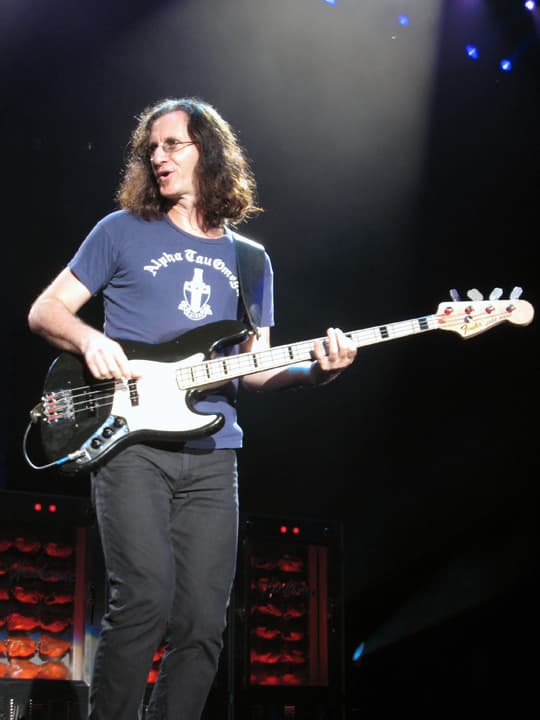
Shares progressive rock, hard rock, art rock (subgenres); layered dense, studio polished, analog warmth (production style)
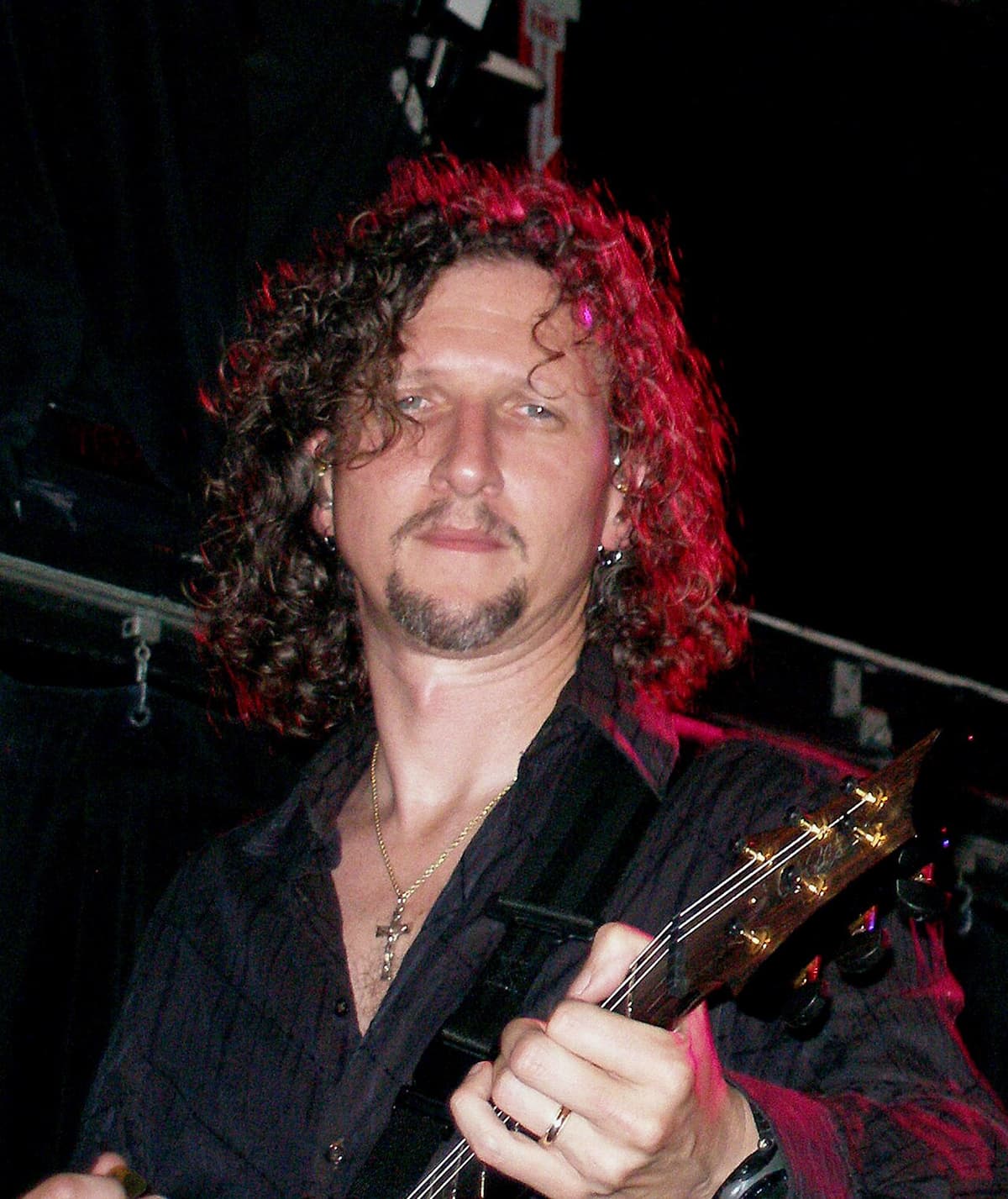
Shares progressive rock, alternative rock, art rock (subgenres); hi fi, layered dense, analog warmth (production style)
Shares progressive rock, art rock, hard rock (subgenres); hi fi, layered dense, analog warmth (production style)
Shares progressive rock, hard rock, heavy metal (subgenres); studio polished, hi fi, layered dense (production style)
Shares alternative rock, progressive rock, hard rock (subgenres); studio polished, layered dense, hi fi (production style)
Shares progressive rock, hard rock, art rock (subgenres); contemplative, intense, restless (moods)
Shares hi fi, layered dense, analog warmth (production style); progressive rock, art rock (subgenres)
Shares alternative rock, progressive rock, hard rock (subgenres); layered dense, studio polished, analog warmth (production style)
Shares progressive rock, hard rock, art rock (subgenres); studio polished, layered dense, hi fi (production style)
Shares heavy metal, progressive rock, hard rock, triumphant (subgenre)
Shares progressive rock, electric guitar, hard rock, art rock (subgenre)
Cassette uses generative AI to enrich its catalog. How we use AI →