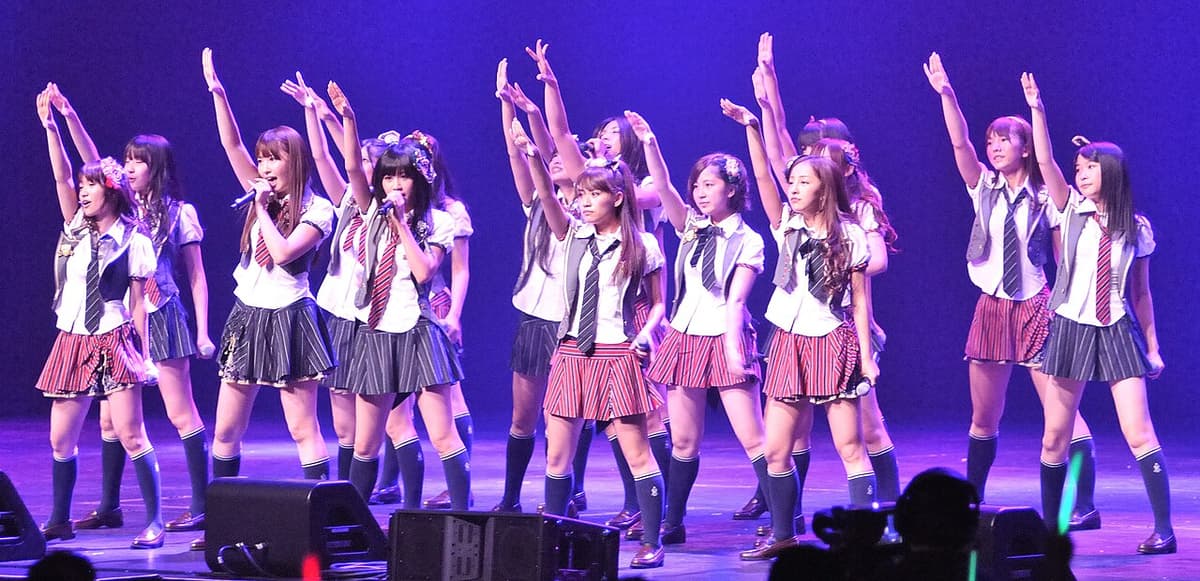
AKB48
High-octane J-pop featuring massive unison vocals and shimmering production. Pure, maximalist energy designed for stadium-sized joy and neon-lit city nights.
High-octane J-pop featuring massive unison vocals and shimmering production. Pure, maximalist energy designed for stadium-sized joy and neon-lit city nights.
Listening to AKB48 is like being caught in a high-speed parade of pure optimism. The sound is defined by its sheer scale: dozens of voices singing in perfect unison over a backdrop of hyper-polished dance-pop, often augmented by surprisingly lush orchestral strings and driving rock guitars. It is music that refuses to be small, aiming instead for the back row of a stadium with every single hook.
What truly distinguishes the group is the 'idols you can meet' energy translated into sound. There is a communal, almost theatrical quality to the recordings that mirrors their daily live performances. Unlike solo pop stars, the collective vocal power creates a wall of sound that feels less like a performance and more like a shared celebration. The production is a masterclass in J-pop maximalism, where every frequency is filled with shimmering synths or bright percussion.
For those new to the phenomenon, the classic singles from the early 2010s offer the best entry point. These tracks capture the group at their cultural peak, blending sugar-sweet melodies with an undeniable, propulsive momentum. It is the perfect soundtrack for moments that require a massive boost of serotonin or a sense of vibrant, urban movement.
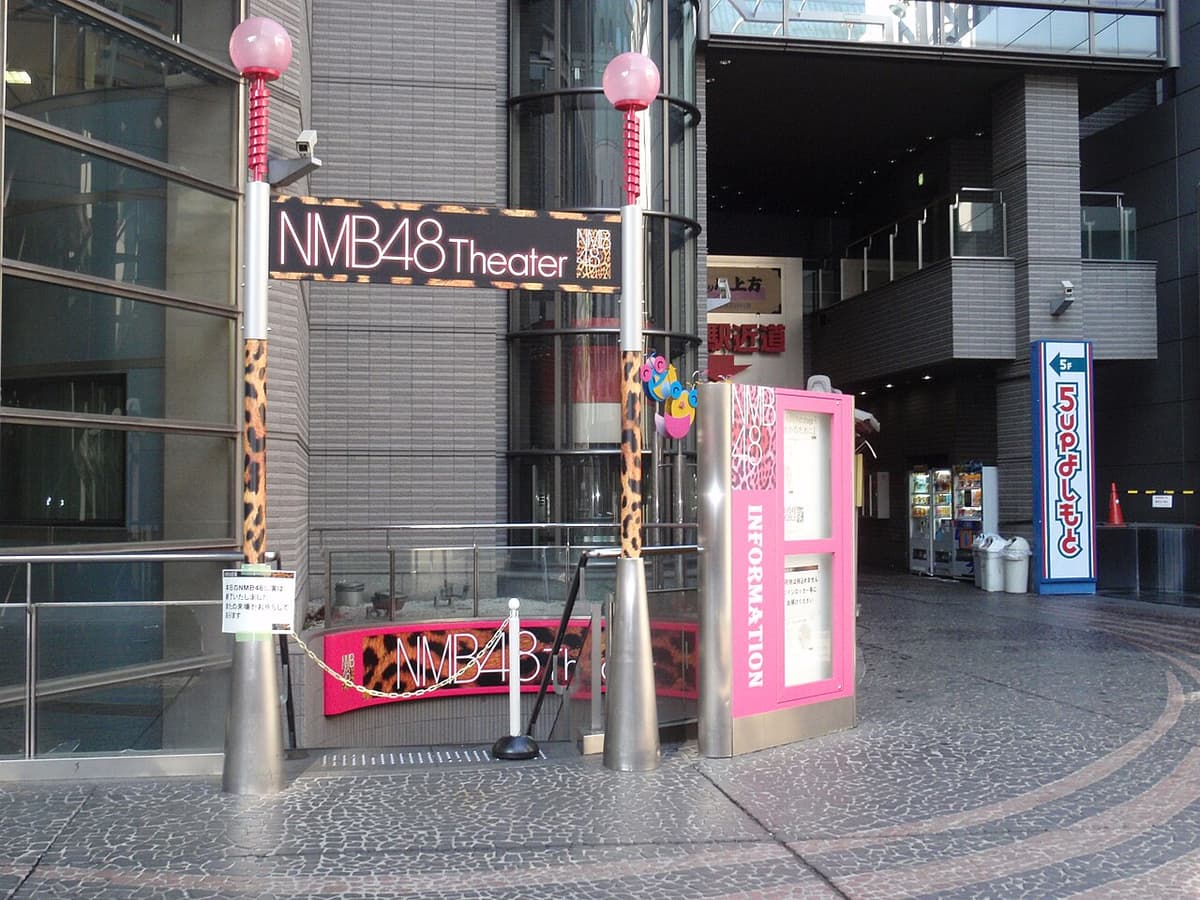
AKB48 (pronounced A.K.B. Forty-Eight) is a Japanese idol musical girl group named after the Akihabara area in Tokyo, where the group's theater is located. AKB48 has sold more records than any other female musical act in Japanese history. AKB48's producer, Yasushi Akimoto, wanted to form a girl group with its own theater and performing daily so fans could always see them live (which is not the case with usual pop groups giving occasional concerts and seen on television). This "Idols You Can Meet" concept includes teams which can rotate performances and perform simultaneously at several events and "handshake" events, where fans can meet group members. Akimoto has expanded the AKB48 concept to several girl groups within Japan, and internationally in China, Indonesia, Thailand, Taiwan, Philippines and Malaysia. AKB48 have been characterized as a social phenomenon. They are among the highest-earning musical acts in Japan, and are the seventh-best-selling girl group worldwide. For example, their 2012 sales from record and DVD/Blu-ray releases reached $226 million, earning the group the top spot in the 2012 artist ranking. By April 2019, the group had sold over 60 million records, including over 6 million albums. At least 35 of AKB48's singles have topped the Oricon Weekly Singles Chart, with at least 30 singles selling over a million copies each, making the group the highest selling musical act in Japan in terms of singles sold. Their highest selling single, "Teacher Teacher", sold over 3 million in 2018 according to Billboard / Soundscan. Between 2010 and 2020, AKB48's singles occupied at least the top two spots of the Oricon Yearly Singles Chart. As of their 61st single, they sold over 70 million copies. With their 66th single released, they ranked #1 on Orion 53 consecutive times, starting with "RIVER" in 2009.
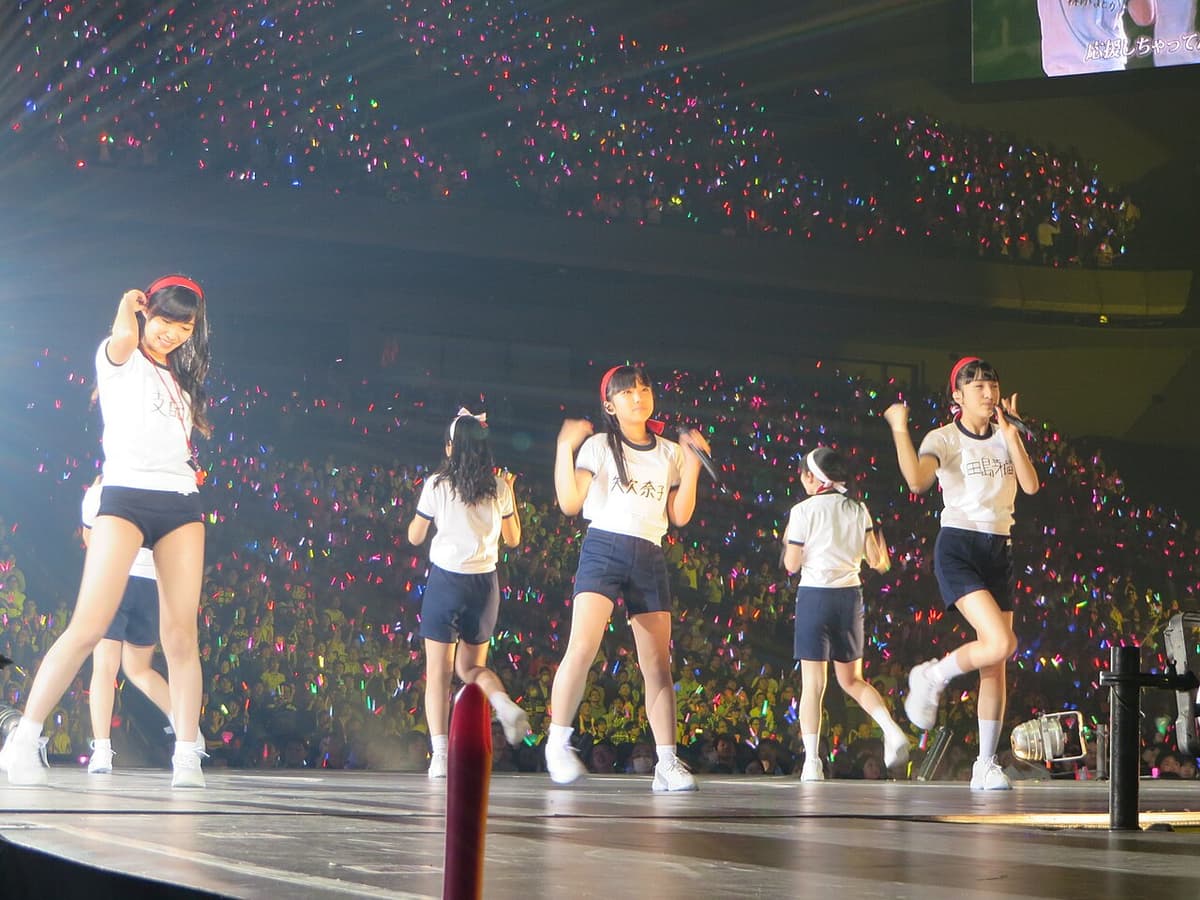
Shares maximalist, studio polished, orchestral arrangement (production style); joyful, energetic, hopeful (moods)
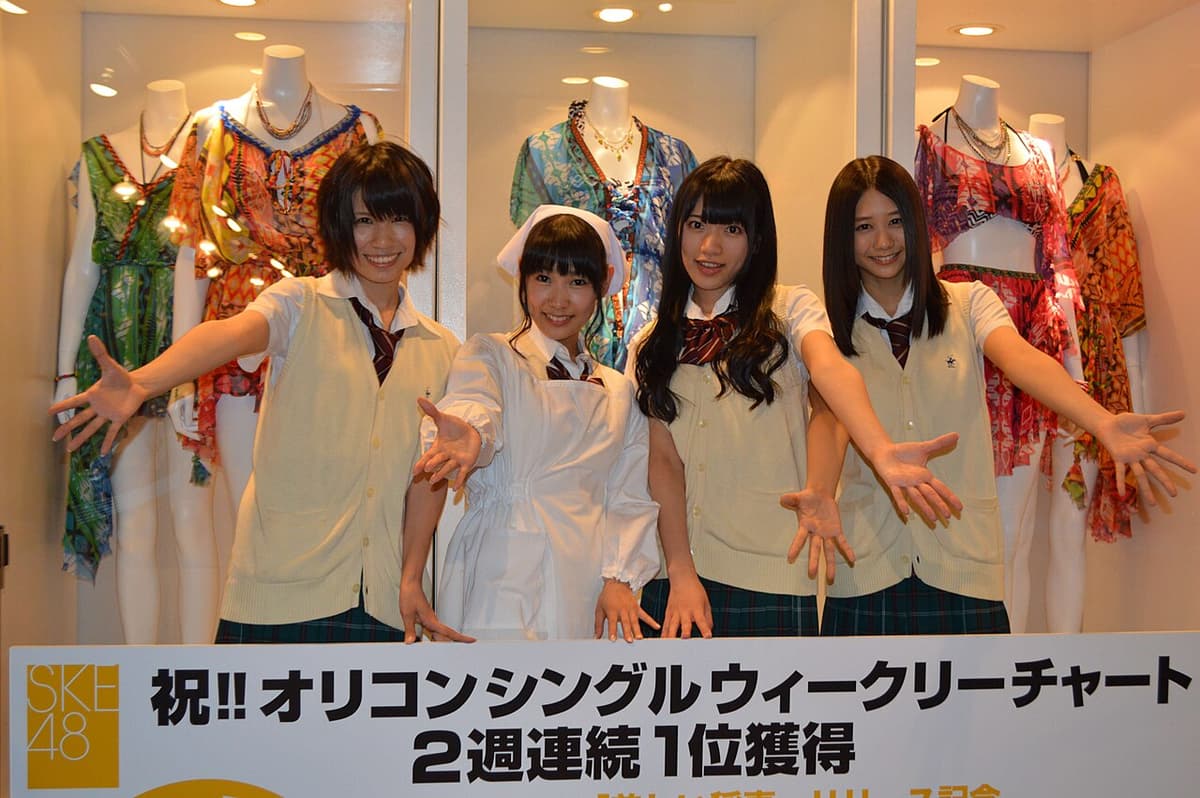
Shares maximalist, studio polished, orchestral arrangement (production style); festival, summer, rooftop (atmosphere)
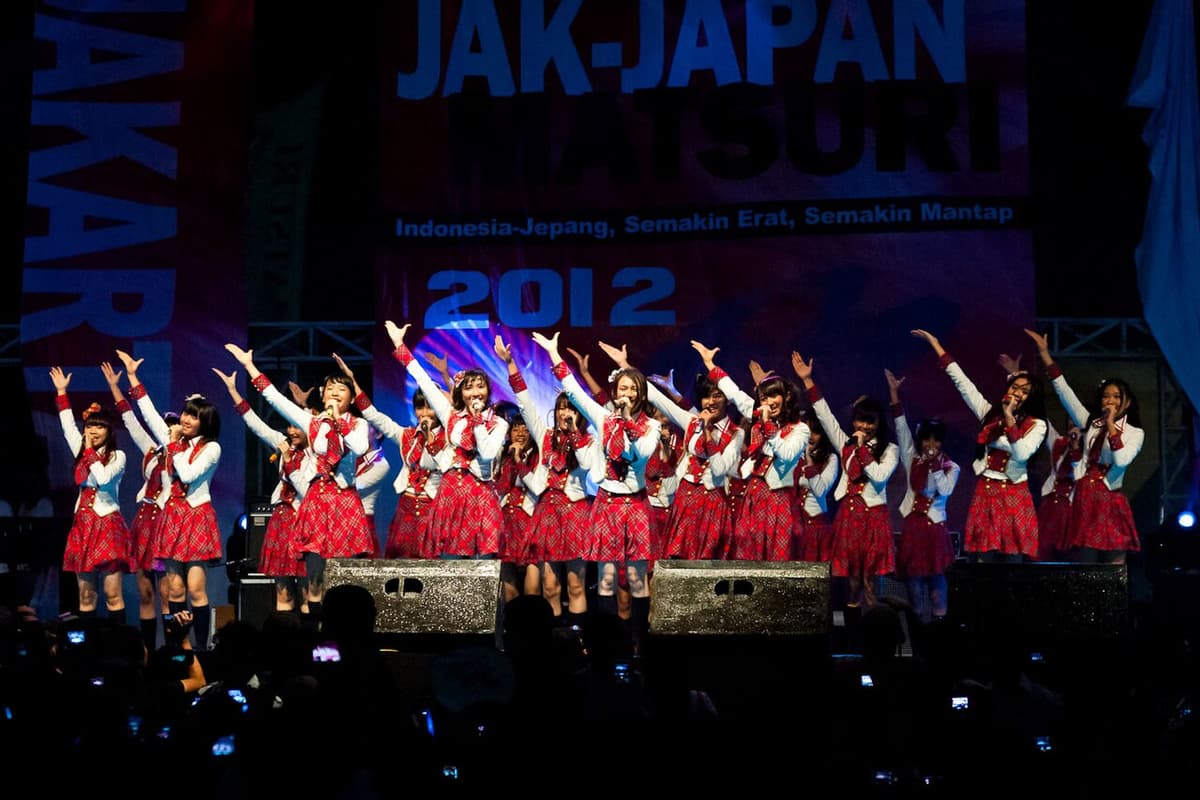
Shares maximalist, studio polished, orchestral arrangement (production style); joyful, energetic, hopeful (moods)
Shares maximalist, studio polished, orchestral arrangement (production style); choral, harmonized, nasal (vocal style)
Shares dance-pop, traditional pop (subgenres); joyful, energetic, hopeful (moods)
Shares dance-pop, synth-pop, traditional pop (subgenres); joyful, energetic, nostalgic (moods)
Shares dance-pop, synth-pop (subgenres); joyful, playful, energetic (moods)
Shares dance-pop, synth-pop (subgenres); maximalist, studio polished, orchestral arrangement (production style)
Cassette uses generative AI to enrich its catalog. How we use AI →