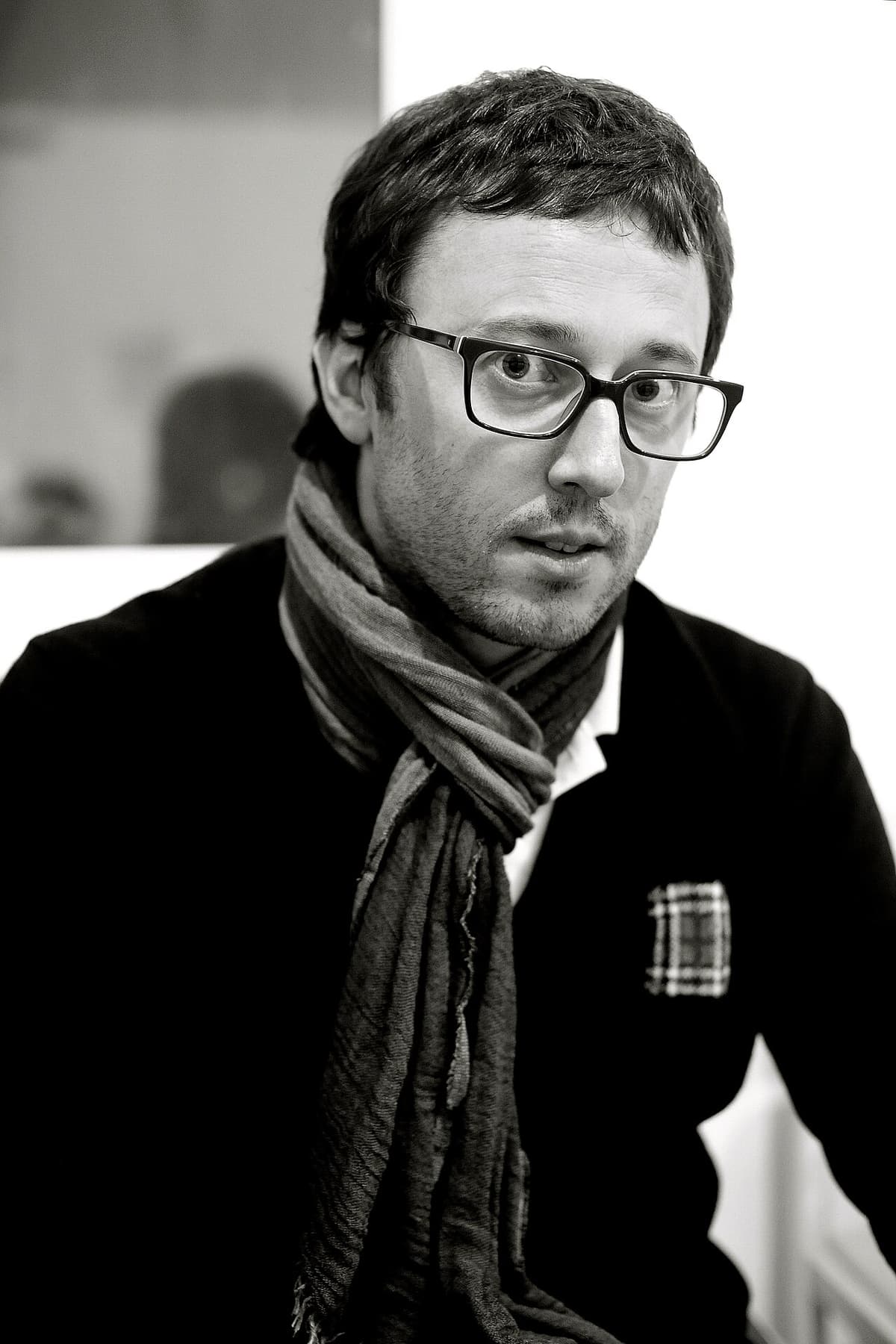
Agoria
Sleek, cinematic techno that bridges the gap between the dancefloor and the art gallery. Sophisticated French electronica with a deep, organic pulse.
Sleek, cinematic techno that bridges the gap between the dancefloor and the art gallery. Sophisticated French electronica with a deep, organic pulse.
Agoria creates a sound that feels like the intersection of a high-end architectural firm and a basement club in Lyon. It is music that is deeply rooted in the rhythmic precision of Detroit techno but layered with a uniquely European sense of melody and atmosphere. The tracks often feel like they are breathing, moving from cold, crystalline synth lines to warm, organic textures that suggest a hidden life within the machines.
What sets him apart is his multidisciplinary approach, where biological data and generative algorithms inform the musical structure. This isn't just 'club music'; it is a sophisticated exploration of how digital sounds can mirror natural processes. You will hear a 'drift' in his work, a subtle loosening of the grid that makes the music feel human, even at its most synthetic and polished.
Start with the album 'Blossom' to understand his techno foundations, then move to 'Drift' to experience his more cinematic, experimental evolution. If you want something that feels like a modern soundtrack to a midnight drive, 'Impermanence' offers the perfect balance of groove and introspection.
Agoria (born January 16, 1976, in Lyon, France) is the stage name of Sébastien Devaud, a French multidisciplinary artist whose work connects the organic with the digital. Known for his innovative approach to electronic music, Agoria blends techno, house, and experimental sounds to create rich, atmospheric compositions. He releases his debut album, Blossom, in 2003 and has since produced critically acclaimed albums such as The Green Armchair (2006), Impermanence (2011), Drift (2019), .dev (2011) and Unshadow (2024). Agoria is the founder of Sapiens Records label and he is a noted film composer, with many soundtracks for films like Go Fast and Lucky. In recent years, Agoria has expanded his creative endeavors into the realm of art, focusing on biological generative art—a practice that integrates algorithms, artificial intelligence, and data from the living world to create dynamic, evolving works. His installation {Sigma Lumina}, presented at the Musée d’Orsay in February 2024, reinterpretes classical masterpieces through this innovative approach, establishing a contemporary dialogue with historical art. This exhibition marks a significant milestone, making Agoria the first digital artist in history to showcase work in a top-tier global museum. His contributions have solidified his position as a leading figure in the evolving art landscape, where he continues to explore the intersection of art, technology, and the natural world.
Shares minimal techno, techno, downtempo (subgenres); mysterious, contemplative, restless (moods)
Shares mysterious, contemplative, restless (moods); techno, minimal techno, house (subgenres)
Shares mysterious, contemplative, restless (moods); digital clarity, layered dense, minimalist (production style)
Shares mysterious, contemplative, restless (moods); minimalist, studio polished, digital clarity (production style)
Shares mysterious, contemplative, restless (moods); breathy, processed, whispered (vocal style)
Shares mysterious, contemplative, restless (moods); techno, minimal techno, electronica (subgenres)
Shares mysterious, contemplative, restless (moods); techno, minimal techno, electronica (subgenres)
Shares house, techno, minimal techno (subgenres); mysterious, contemplative, restless (moods)
Shares mysterious, contemplative, restless (moods); urban night, late night, fog (atmosphere)
Shares techno, house, minimal techno (subgenres); studio polished, digital clarity, layered dense (production style)
Shares field recordings, minimal techno, liquid, focused work (signature)
Shares minimal techno, techno, focused work, whispered (subgenre)
Cassette uses generative AI to enrich its catalog. How we use AI →


