Abfahrt Hinwil creates a specific kind of digital melancholy that feels both cold and deeply comforting. Their sound is defined by fragile, bell-like synth melodies that float over intricate, glitchy percussion. It is the sound of the early 2000s Toytronic era, where the warmth of techno met the clinical precision of IDM, resulting in music that feels like a memory of a place you have never been.
What makes them distinctive is the sense of movement within stillness. The rhythms often mimic the steady, hypnotic clatter of a train on tracks, while the harmonic layers evoke vast, snowy landscapes. There is a brittle, glass-like quality to the production; every click and pop is placed with architectural intent, yet the emotional core remains soft and wistful.
Start with the album Links Berge Rechts Seen. It is a masterclass in atmospheric electronica that balances rhythmic drive with ambient drift. It is the ideal companion for solo travel or any moment where you want to feel isolated from the world in a beautiful, structured way.
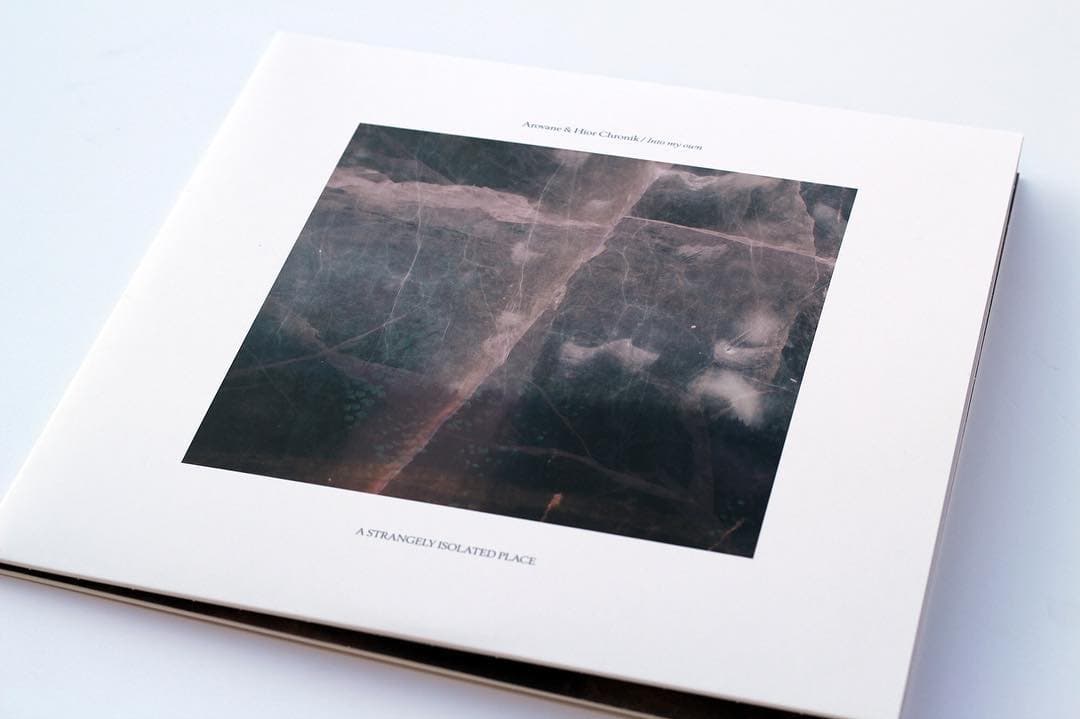
Shares idm, ambient techno, glitch (subgenres); melancholic, wistful, contemplative (moods)
Shares idm, ambient techno, glitch (subgenres); absent, instrumental only (vocal style)
Shares idm, ambient techno, glitch (subgenres); absent, instrumental only (vocal style)
Shares idm, ambient techno, glitch (subgenres); absent, instrumental only (vocal style)
Shares digital clarity, minimalist, layered dense (production style); idm, ambient techno, glitch (subgenres)
Shares idm, ambient techno, glitch (subgenres); absent, instrumental only (vocal style)
Shares idm, ambient techno, glitch (subgenres); absent, instrumental only (vocal style)

Shares idm, ambient techno, glitch (subgenres); melancholic, wistful, contemplative (moods)
Shares crystalline synth plucks, idm, crisp clean, train ride (detail)
Cassette uses generative AI to enrich its catalog. How we use AI →