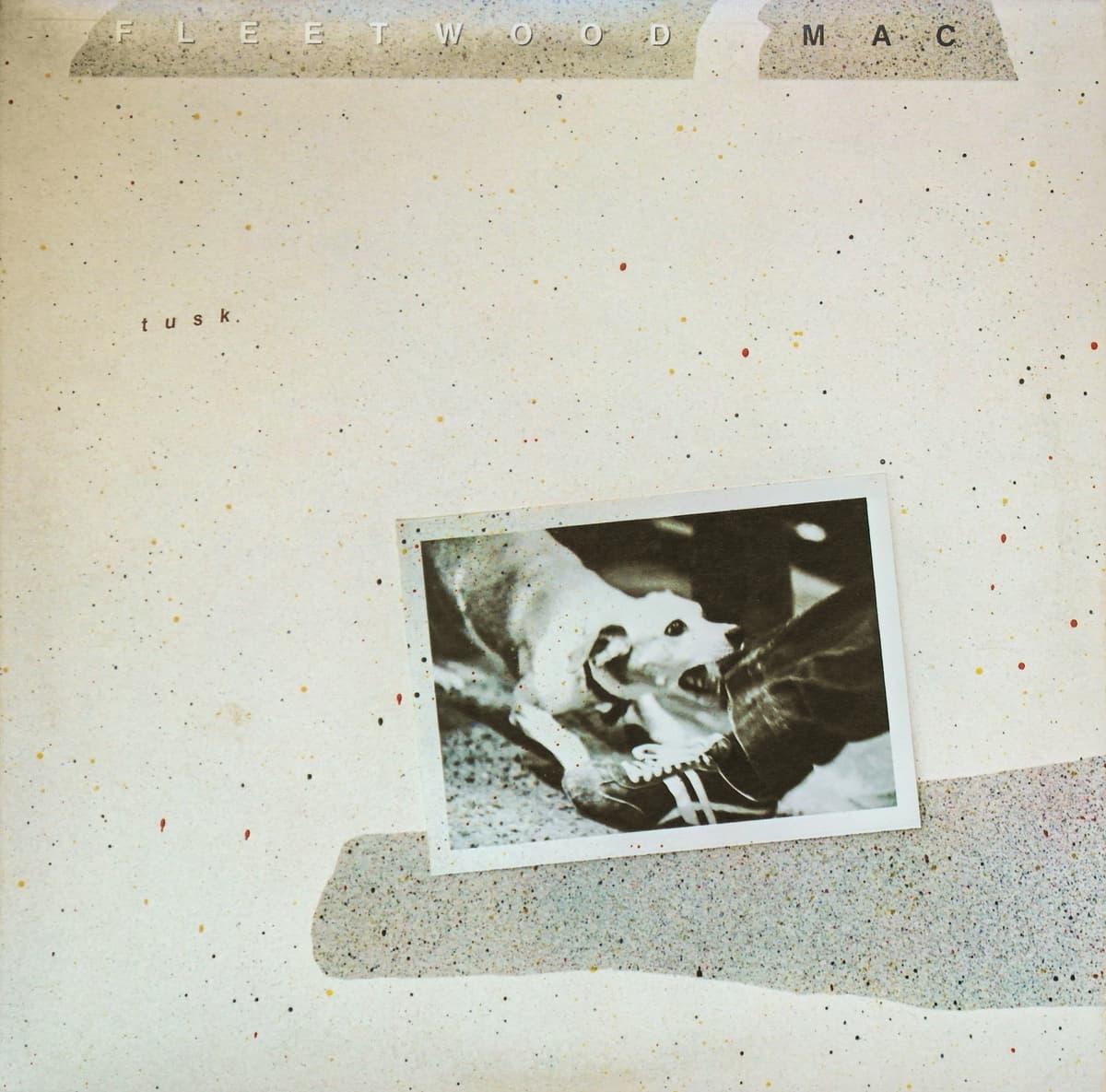
Tusk
A sprawling, brilliant double-album masterpiece that trades polished California pop for paranoid bedroom lo-fi, marching bands, and beautiful, druggy isolation.
October 12, 1979 · Warner Records
A sprawling, brilliant double-album masterpiece that trades polished California pop for paranoid bedroom lo-fi, marching bands, and beautiful, druggy isolation.
October 12, 1979 · Warner Records
A million-dollar blank check bought a room full of cardboard boxes, marching bands, and paranoid, bedroom-bound tape loops. This double album is the sound of a massive pop machine deliberately fracturing its own polished gears, trading the pristine California harmony of its predecessor for a brilliant, druggy isolation. By retreating into individual, insular corners, the group captured the exact friction of their own unraveling. You can feel the expensive studio walls closing in, replaced by a strange, lo-fi intimacy that baffled the charts but predicted the future of home-recorded indie rock. It remains a monument to beautiful, self-inflicted ruin.
How does Tusk sound next to the rest of Fleetwood Mac's catalogue?
Rejecting their signature golden-hour sheen, the band embraces a gritty lo fi aesthetic by routing drums through cardboard boxes and capturing frantic, dry home recordings that sound brilliantly unhinged.
Cassette uses generative AI to enrich its catalog. How we use AI →