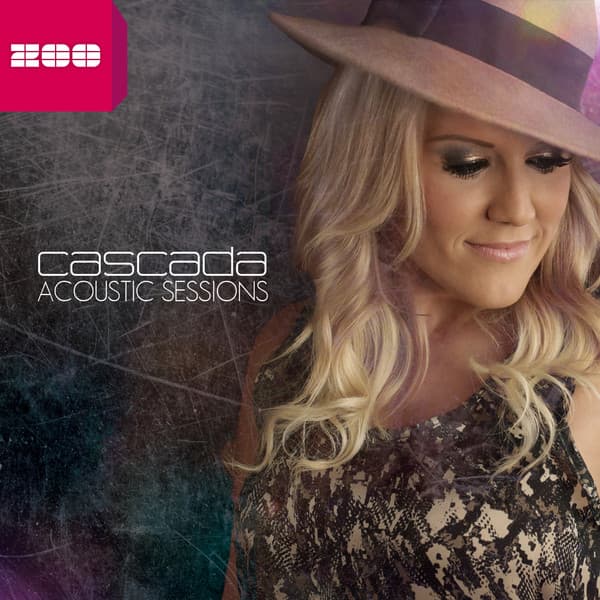
Acoustic Sessions
Stripped-back reinterpretations of Eurodance anthems. Natalie Horler’s powerhouse vocals take center stage amidst gentle piano, acoustic guitar, and strings.
November 1, 2013 · EQ Music
Stripped-back reinterpretations of Eurodance anthems. Natalie Horler’s powerhouse vocals take center stage amidst gentle piano, acoustic guitar, and strings.
November 1, 2013 · EQ Music
Imagine the neon lights of a 2000s nightclub being replaced by the soft glow of a bedside lamp. This album takes the frantic, sweat-soaked energy of Cascada's biggest hits and distills them into their purest melodic forms. It is a startling transformation that strips away the four-on-the-floor kick drums and aggressive synth stabs to reveal the surprisingly sturdy songwriting underneath. For anyone who spent their youth dancing to these tracks, hearing them in this hushed, intimate setting feels like a conversation with an old friend who has finally slowed down. The sonic palette is defined by organic textures: the resonant wood of an acoustic guitar, the hammer-action of a grand piano, and the mournful sweep of a cello. Natalie Horler’s voice, usually tasked with cutting through dense electronic layers, is given immense space to breathe. You can hear the intake of air and the subtle grit in her delivery that is often polished away in studio dance edits. This isn't just a gimmick; it's a vocal masterclass that proves she is one of the most capable pop vocalists of her era, capable of conveying deep vulnerability when the tempo drops. You should own this album because it offers a unique form of pop-nostalgia-as-self-care. It bridges the gap between the high-octane excitement of the dance floor and the quiet introspection of adulthood. It is the perfect companion for those moments when you want the comfort of a familiar hook but the serenity of an unplugged session. Whether you are a die-hard fan or a skeptic of Eurodance, these arrangements offer a fresh perspective on a catalog that defined a decade of pop music.
How does Acoustic Sessions sound next to the rest of Cascada's catalogue?
Coffee Shop saturates this record far more than the artist's norm.
Cassette uses generative AI to enrich its catalog. How we use AI →