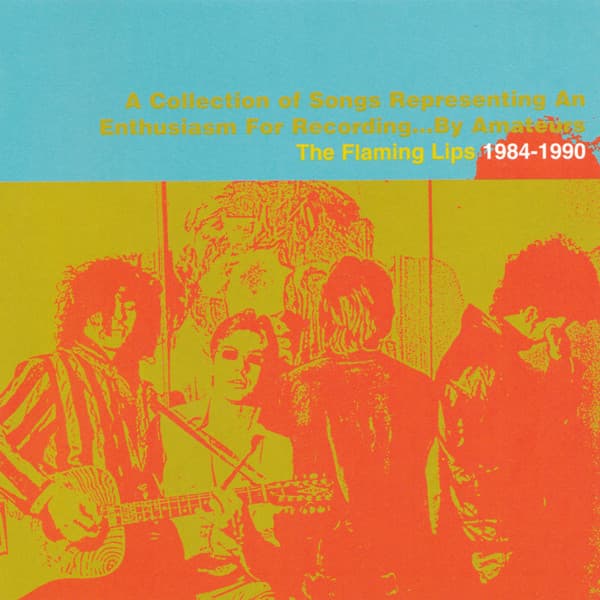
1984–1990: A Collection of Songs Representing an Enthusiasm for Recording… by Amateurs
October 13, 1998 · Restless Records
October 13, 1998 · Restless Records
This collection is a visceral time capsule of a band before they found their symphonic footing.
It is the sound of a group in an Oklahoma garage, high on noise and classic rock deconstruction. It feels gritty, tactile, and dangerously close to falling apart at any second.
This is not the polished, neon-lit Flaming Lips of the 21st century; this is the version that lived in the shadows of the 80s underground, where psychedelic revivalism met the burgeoning noise-rock scene. The guitars are thick with fuzz, the drums are cavernous, and the vocals are more of a desperate yelp than a confident croon.
Also reviewed byAllMusic
How does 1984–1990: A Collection of Songs Representing an Enthusiasm for Recording… by Amateurs sound next to the rest of The Flaming Lips's catalogue?
This album stays in step with the catalogue across the board — no axis departs enough to be worth its own note. Hover the dots to see where each one sits.
Cassette uses generative AI to enrich its catalog. How we use AI →